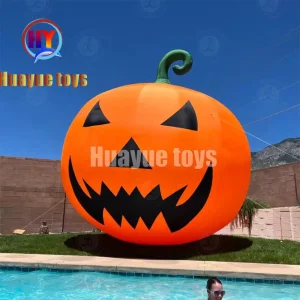
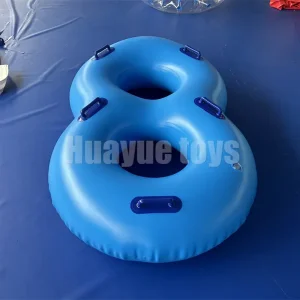
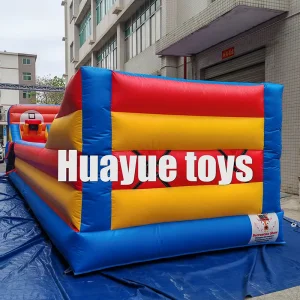
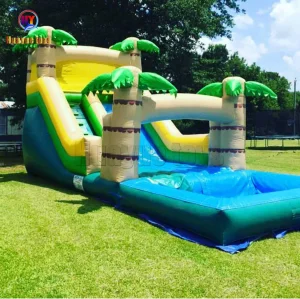
Explore our foundational range of commercial-grade inflatable solutions, built to international specifications for high performance.
The strategic transition from traditional pole-based tents to pneumatic air beam structures across commercial and recreational sectors.
The global outdoor and hospitality sector is undergoing a massive transformation, catalyzed by the rapid growth of the experiential travel segment, eco-resorts, and luxury glamping. B2B buyers—ranging from resort operators and glamping site developers to national parks and international humanitarian relief networks—are increasingly procuring wholesale air tent houses for camping due to their fast installation times, extreme structural stability under wind load, and minimized logistics footprint.
Traditional frame structures present persistent logistics bottlenecks: heavy steel or aluminum alloy framing components, susceptibility to bending or corrosion, and extensive labor required to mount structures in remote environments. Modern inflatable camping systems bypass these challenges by substituting metallic scaffolding with pressurized air chambers constructed from heavy-duty, multi-layered polymer fabrics. These units are highly compressible for transport and can be erected using automatic, high-capacity blowers within minutes.
Engineered systems that address modern structural demands, weatherproofing constraints, and energy efficiency parameters.
Configured with robust, high-frequency welded thermoplastic polyurethane (TPU) air columns. Our air tent designs resist wind velocities up to 80 km/h and deflect structural stress via flexible, pressurized air beams that absorb dynamic forces rather than breaking.
Multi-layer, thermal-insulated technical fabrics reduce heat transfer in hot climates and retain warmth in sub-zero alpine conditions. Equipped with dedicated, insect-proof ventilation ducts designed to pair with external HVAC or HVAC-R climate systems.
Ideal for commercial events, modular base camps, and dynamic adventure operations. The integrated single-point inflation system distributes uniform pressure across the entire air beam network, significantly reducing localized stress points.
Combining trade and advanced manufacturing capabilities since 2012 to deliver certified inflatable infrastructure.
Established in 2012, we are a leading integrated manufacturer and global supplier of high-end inflatable structures and technical textiles. Over more than 12 years of rich production experience, we have optimized the complete pipeline from raw polymer sourcing to final product packaging, ensuring that each step of the manufacturing process conforms to rigorous global standards.
Our raw material supply chain relies exclusively on premium, eco-friendly PVC and TPU raw materials that are non-toxic, odorless, and highly UV-stabilized. Certified under the ISO9001 Quality Management System, our modern factory utilizes state-of-the-art automated cutting equipment and high-precision welding machines to deliver consistent seal strength and dimensional stability across all production batches.
Delivering custom structural footprints, brand integration, and specialized material compositions for B2B distributors.
Whether you require standard light branding (logo integration, specific color palettes) or highly complex custom architectural configurations, our engineering and R&D division has the technical capability to deliver. We translate 2D layouts and architectural concepts into precise, three-dimensional digital drafts, performing structural stress analysis before the fabrication stage.
Our OEM / ODM service capabilities include:
A data-backed guide to selecting the appropriate technical materials and structural features for commercial operations.
Material density, tensile strength, and air beam design are critical to the longevity of any inflatable structure. Below is a comparative guide showing the differences between industrial TPU and PVC, helping you choose the right configuration for your specific location and budget.
| Material Category | Tensile Strength (N/5cm) | Thermal Degradation Point | Hydrostatic Head Rating | Optimal Application Scenarios |
|---|---|---|---|---|
| Double-Coated Polyurethane (TPU) | > 3500 N / 5cm | -40°C to +80°C | > 12,000 mm H₂O | Extreme altitude, alpine expeditions, and long-term semi-permanent glamping resorts. |
| Industrial Eco-PVC (Pneumatic Grade) | > 2800 N / 5cm | -25°C to +70°C | > 8,000 mm H₂O | Commercial family glamping sites, outdoor event rentals, and high-turnover rental systems. |
| Ripstop Polyester Canvas (Flysheet) | > 1900 N / 5cm | -30°C to +75°C | > 5,000 mm H₂O | Breathable outer canopy overlays, UV protection caps, and moisture control layers. |
Our inflatable structures utilize a proprietary Multi-Chamber Isolation System (MCIS). In the event of localized physical damage to an individual air beam, integrated check-valves isolate that chamber to prevent the entire structure from losing pressure. The remaining air columns continue to support the load, allowing for simple in-place repair without the need to evacuate or dismantle the tent.
Aligning product development with global circular economy initiatives and smart outdoor technology.
We are developing solar-powered, self-regulating pressure valves. These smart systems detect atmospheric fluctuations, maintaining stable internal air pressure during hot days and cool nights without manual operator intervention.
Our engineering pipeline is moving toward post-consumer recycled TPU backings. This initiative aims to reduce carbon emissions during raw material production by up to 35% while preserving long-term structural tensile strength.
Future iterations of our air tent houses will feature modular, zip-in insulation wall panels. This design enables operators to rapidly adapt the base shell for extreme sub-zero conditions or hot, high-humidity climates.
Ensuring smooth customs clearance and regulatory alignment for overseas procurement.
Procuring commercial-grade inflatable solutions internationally requires careful attention to regulatory compliance. Import-export delays can arise if materials lack proper certifications. At Huayue Inflatables, we supply complete documentation packages to ensure smooth clearance at all major destination ports.
Our logistics team handles multi-modal freight configurations, from FCL (Full Container Load) and LCL (Less than Container Load) sea shipping to direct air freight for urgent project timelines. We utilize heavy-duty, double-laminated PVC transit bags to protect structural elements from abrasions during transport.
| Compliance Body | Standard Code | Operational Validity |
|---|---|---|
| CE Certification | EN14960 / EN71 | Active / Verified |
| Quality System | ISO9001:2015 | Audited Annually |
| Flame Retardancy | NFPA 701 / CPAI-84 | Available by Spec |
| Environmental Compliance | REACH / RoHS | Eco-Friendly Verified |
Technical guidance, operational advice, and procurement insights for commercial buyers.
Explore our specialized range of high-strength commercial inflatables, designed to handle heavy-duty outdoor and recreational usage.
 Huayue Toys