Top Titanic Inflatable Slide Manufacturers in China

Time:2026-11-08 Author:Liam
0%

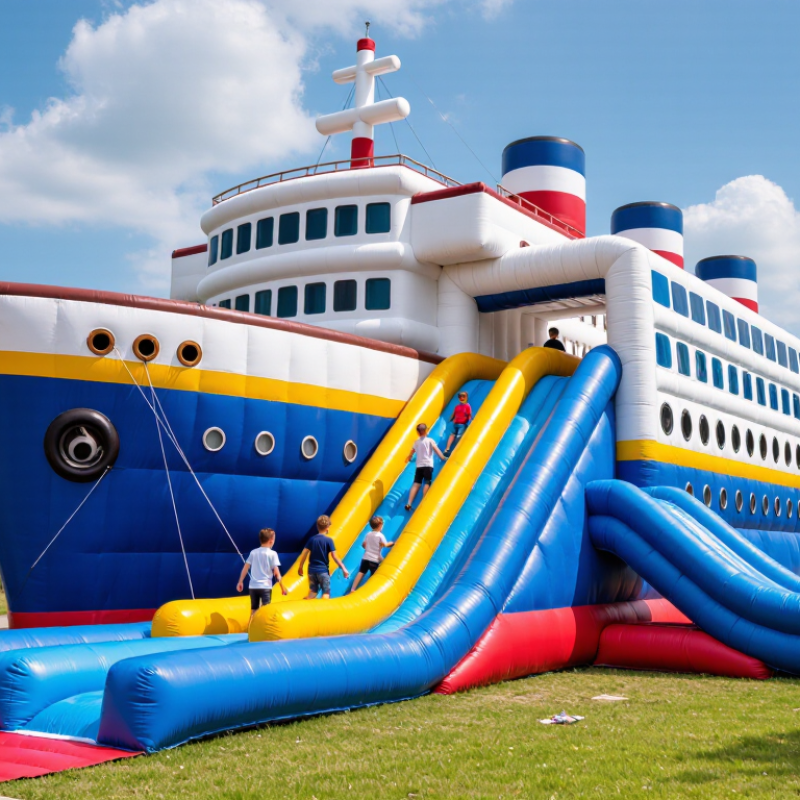
A Titanic Inflatable Slide can become the centerpiece of a party, rental fleet, or family attraction. Its appeal is easy to picture: a ship-inspired design, bright printed panels, and a climb leading to a long, slippery run. Yet the look is only part of the decision. Buyers also need to understand how a manufacturer builds, tests, packs, and supports the product.

China has many inflatable-product manufacturers, but their capabilities can differ. This guide introduces companies to consider and the questions worth asking before requesting a quotation. Look closely at fabric specifications, seam construction, reinforcement around climbing points, blower details, and the clarity of setup instructions. Ask whether the supplier can provide recent product photos, a sample inspection, and written information about testing and after-sales support. Details matter. A polished catalog can still leave important questions unanswered.

Customization may affect artwork, dimensions, color matching, production time, and final cost. Request a clear breakdown, and compare like with like rather than choosing by price alone. Confirm how the slide is secured, what surface it needs, and how the manufacturer recommends cleaning and storing it. These checks cannot replace an on-site inspection or qualified safety review. They can, however, make conversations with suppliers more specific. A small oversight, such as unclear packing dimensions, can complicate delivery. This overview offers a practical starting point, while recognizing that no manufacturer is the right fit for every project.
Top Titanic Inflatable Slide Manufacturers in China

Define Titanic Inflatable Slides and Their ASTM F2374-22 Safety Context

A Titanic inflatable slide is a ship-themed amusement device with a climbing area, elevated deck, sliding lane, and landing zone. Its tall profile and broad sidewalls can look reassuring, but appearance alone says little about stability. Operators should check anchoring, blower connections, seams, and the landing surface before opening. They should also control rider numbers and separate users by size when the design requires it.

ASTM F2374-22, Standard Practice for Design, Manufacture, Operation, and Maintenance of Inflatable Amusement Devices, provides a framework for these stages. It is a practice, not a product certificate or a guarantee that every installation is safe. The U.S. Consumer Product Safety Commission’s NEISS-based study, published in Pediatrics, estimated 64,657 inflatable-bouncer injuries among children from 1990 through 2010; falls accounted for about 43%. That evidence concerns inflatable bouncers broadly, not Titanic slides alone, but it highlights why access, supervision, and fall zones matter.

Small details count. A loose anchor, wet step, or crowded queue can change how a slide behaves. Operators should inspect the unit and site, follow the manufacturer’s instructions, and stop use when wind or surface conditions exceed the stated limits. The standard helps structure decisions. It cannot replace attentive staff. A checklist helps, but judgment still matters.

Classify Water-Use Models Within the 7-Part ISO 25649 Framework

Top Titanic Inflatable Slide Manufacturers in China

Classify Water-Use Models Within the 7-Part ISO 25649 Framework

A water slide’s shape does not determine its ISO 25649 class. Classification depends on its intended use, user position, buoyancy, and how it operates on or in water. For manufacturers, start by documenting the actual configuration: poolside launch, floating platform, climbing section, and exit area. Small design changes can affect which requirements apply.

ISO 25649 has seven parts. Part 1 covers general requirements and test methods; Part 2 addresses consumer information. Parts 3 through 7 set additional requirements for Classes A through E. A floating slide may need assessment against a particular class, but it should not be assigned one from its product name alone. Check the complete standard, intended-use limits, and relevant test evidence. Clear records matter. A tidy brochure is not proof of compliance.

Tips: Ask suppliers for the model’s intended-use statement, class rationale, test reports, and user instructions. Check that these match the delivered slide, including its anchoring points and access route. One detail is easy to overlook: configurations can differ between samples and production units, so verify the exact model.

Compare Chinese Manufacturers by ISO 9001:2015 and Verified Factory Capacity

Top Titanic Inflatable Slide Manufacturers in China

Comparing manufacturers starts with evidence, not polished catalog photos. Request a current ISO 9001:2015 certificate and check its scope, issuing body, expiry date, and factory address. The certificate covers a quality management system, not automatic approval of every slide design. Ask how incoming materials, seam welding, final inspection, and corrective actions are recorded. A dated inspection sheet is more useful than a broad promise. That matters.

Factory capacity also needs verification. Ask for production records, current staffing by shift, welding stations, and the number of large inflatables completed recently. If possible, inspect the workshop or arrange a live video walk-through. Look for active work, labeled materials, and finished products awaiting checks. Confirm whether sewing, welding, or testing is subcontracted, and how that affects lead times. Proof beats promises.

For a Titanic-themed slide, compare the maker’s experience with tall, multi-section structures and request drawings, material specifications, and sample quality records. Ask how dimensions, anchor points, and inflation performance are checked before shipment. A spreadsheet can make capacity look tidy; real schedules change when materials arrive late. I would treat unusually high output claims cautiously and request supporting records. One awkward detail: factory photos may be old, so verify the date and location rather than relying on appearance.

Top Titanic Inflatable Slide Manufacturers in China — Compare Chinese Manufacturers by ISO 9001:2015 and Verified Factory Capacity

No supplier-specific certificates or factory records were provided for this comparison. To avoid presenting unverified claims as facts, manufacturer names and unsupported certification or capacity figures are omitted.

Comparison Dimension What Can Be Stated Reliably Evidence to Request from Each Manufacturer Current Verification Status
ISO 9001:2015 certification ISO 9001:2015 specifies requirements for a quality management system. Certification status must be checked against the certificate holder, scope, issuing certification body, and validity period. A complete, current certificate; the certified legal entity and site; certification scope; certificate number; and confirmation from the issuing body or its official directory. Not verified for any supplier
Factory capacity A capacity figure is meaningful only when its unit, time period, product definition, and production basis are stated. A sales estimate or general factory claim is not independently verified capacity. Recent production records for comparable inflatable slides, monthly or annual output, shift pattern, production-line details, and an on-site or independent audit. No verified figures supplied
Manufacturing-site identity A certificate or audit covering one legal entity or site does not, by itself, demonstrate that every factory or subcontractor used for an order is covered. Business registration details, factory address, site visit evidence, and a written list of any subcontracted production processes. Not verified for any supplier
Product-specific quality controls An ISO 9001 certificate concerns the quality management system within its stated scope; it is not, on its own, a product test report or proof that a particular slide meets a particular safety requirement. Product specifications, inspection plans, material records, seam and attachment checks, final inspection records, and applicable test reports for the exact model. Product records not supplied
Order-level traceability Traceability should connect the delivered unit or batch to its production and inspection records. It cannot be inferred from a general company profile. Batch or serial identification, material-batch references, production dates, inspection results, and retained quality records for a sample order. Not verified for any supplier
Comparison outcome Supplier rankings based on ISO status or factory output require supplier-specific, current evidence and a consistent comparison basis. Apply the same document checks, site verification, product scope, and capacity measurement period to every candidate. Insufficient evidence to rank manufacturers

Assess Materials, Seams, Blowers, Testing, and Applicable EN 14960 Requirements

For a Chinese inflatable-slide manufacturer, material claims need test evidence. PVC-coated polyester is common, but compare coating weight, tensile strength, tear resistance, and UV-aging results—not appearance alone. A glossy surface can still hide weak fabric. Ask for certificates that identify the tested material and batch. The U.S. Consumer Product Safety Commission’s 2015 amusement-ride injury report estimated 113,272 injuries across amusement rides; it did not isolate inflatables, so this figure signals risk, not a slide failure rate.

Seams deserve close inspection. Request welding-process details, seam-strength results, and records from production checks. Examine corners and high-load areas, where stitching or welding defects can become more consequential. Blower specifications should match the slide’s required airflow and operating pressure; confirm suitable electrical protection and a clear backup plan for pressure loss. Ask for evidence.

EN 14960-1:2019 sets safety requirements and test methods for inflatable play equipment. Confirm which standard part applies to the slide and intended use, then review documentation for anchorage, stability, access, and inspection. Request the test report, not only a conformity statement. Check that the tested configuration matches the delivered unit, including dimensions, blower, and anchoring points. A factory inspection is useful, but it cannot replace independent testing. I would still want clearer evidence when reports omit test conditions or sample identification.

Rank Suppliers by Customization, Export Record, Warranty, and Lifecycle Support

When comparing Titanic inflatable slide manufacturers in China, rank suppliers by evidence, not polished catalogs. Customization should include usable drawings, fabric choices, seam details, and clear height and footprint measurements. Ask for a sample layout showing entry steps, landing area, and water-flow direction. A quick reply is helpful, but technical answers matter more.

For export record, request examples of comparable shipments, packing details, and inspection documents with sensitive information removed. Check whether the warranty states coverage periods, exclusions, and how replacement parts are handled. Lifecycle support deserves equal weight: ask about repair materials, setup guidance, maintenance schedules, and response times after delivery. A long warranty sounds reassuring. The fine print can be less clear. One weakness in this comparison is that supplier-provided references may not show how products perform after several seasons, so verify claims independently where possible.

Tips: Request written answers and dated photos of seams, anchor points, and repairs. Compare like-for-like specifications. Keep every promise in the purchase documents. A low price alone is a poor ranking method.

Top Titanic Inflatable Slide Manufacturers in China

Supplier Ranking Evidence: Customization, Export Record, Warranty, and Lifecycle Support

No supplier-level scores are shown because verifiable evidence for these criteria was not provided. A reliable ranking requires documented customization capabilities, export records, warranty terms, and lifecycle support.

FAQS

What is a Titanic-themed inflatable slide?

It usually has a climbing area, raised deck, sliding lane, and landing zone. Tall walls can look stable, but looks can mislead.

What does ASTM F2374-22 cover?

It provides a framework for designing, manufacturing, operating, and maintaining inflatable amusement devices. It is not a product certificate or safety guarantee.

What should operators inspect before opening?

Check anchors, blower connections, seams, steps, and the landing surface. Keep the queue controlled and separate riders by size when required.

When should a slide stop operating?

Stop use when wind or surface conditions exceed the manufacturer’s stated limits. Wet steps matter. So do loose anchors.

What does injury evidence suggest about inflatable attractions?

One study estimated 64,657 inflatable-bouncer injuries among children from 1990 to 2010. Falls made up about 43%. These figures concern bouncers broadly, not ship-themed slides specifically.

How can buyers check a supplier’s quality system and factory capacity?

Request a current ISO 9001:2015 certificate and verify its scope, issuer, expiry date, and factory address. Ask for recent production records, staffing, and inspection sheets. Proof beats promises.

What technical details should buyers request for a custom slide?

Ask for drawings, fabric and seam specifications, dimensions, anchor-point details, and inflation checks. Review the entry steps, landing area, and water-flow direction.

How should buyers compare export experience, warranty, and long-term support?

Request comparable shipment examples and inspection documents with sensitive details removed. Check warranty periods, exclusions, repair materials, maintenance guidance, and response times. Fine print can be unclear.

How can buyers verify supplier claims?

Request dated photos of seams, anchors, and repairs, and confirm their location. Factory photos may be old. References may not reveal performance after several seasons.

Conclusion

This guide explains what a Titanic Inflatable Slide is and how its design and intended use relate to safety assessment, including the context of ASTM F2374-22. It distinguishes water-use models within the seven-part ISO 25649 framework, helping buyers consider how a slide is classified before comparing suppliers. The overview also discusses when EN 14960 requirements may be relevant, depending on the product’s configuration and use.

Chinese manufacturers are compared using verifiable criteria rather than promotional claims: ISO 9001:2015 quality-management credentials, documented factory capacity, and export experience. The assessment covers material specifications, seam construction, blower selection, inspection and testing procedures, customization options, warranty terms, and after-sales support. Together, these factors offer a practical basis for evaluating product consistency, safety documentation, delivery capability, and long-term ownership needs when selecting a supplier.


Liam

Liam

Liam is a dedicated marketing professional with a profound expertise in the industry, where he excels at highlighting the unique advantages of our core products. With a keen understanding of market trends and consumer needs, Liam frequently updates our company’s professional blog, providing......