Choosing the right inflatable kayak can feel simple until wind, weight, and storage space change the decision. Our guide, “10 Tips for Choosing the Best Inflatable Kayaks,” examines the details that often matter most on real water. We consider hull shape, air chambers, materials, valve quality, weight capacity, tracking, comfort, and repair support. A kayak that looks stable in a product photo may feel different on a choppy lake. Small details matter.
Paddlesports educator and author Ken Whiting says, “The best kayak is the one that fits your needs.” That principle guides this discussion. Kayaks Inflatable models suit many beginners, travelers, and apartment dwellers. However, they are not automatically ideal for every trip. A lightweight boat may be easier to carry but less steady with heavy camping gear. A wide floor can improve balance, yet it may reduce speed. There is no perfect choice.
We also examine practical signs of quality, including reinforced seams, secure skegs, comfortable seats, and clear weight ratings. Check the packed size. Feel the handles. Read the warranty carefully. Manufacturer claims deserve comparison, not blind trust. Even experienced paddlers can overlook drainage, inflation time, or cold-weather pressure changes. This guide is useful, but it is not flawless. Your water conditions, body size, skill level, and transport routine should shape the final decision. Safety equipment remains essential, especially a properly fitted personal flotation device.
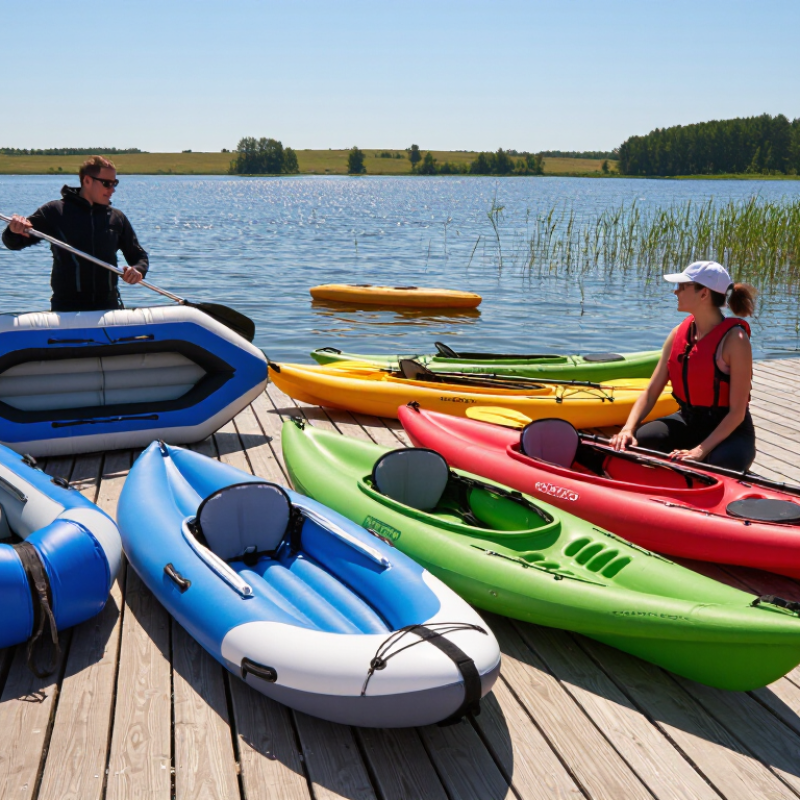
Before choosing an inflatable kayak, define where and how you will paddle. A calm lake requires different performance from a tidal estuary or slow river. Write down your usual trip length, paddling pace, and passenger weight. Include dry bags, water, safety equipment, and fishing gear. A kayak that feels stable in a shop may sit low when fully loaded. I learned this after carrying too much equipment on a windy afternoon. It was manageable. Not enjoyable.
Think honestly about your skill and rescue ability. Beginners often value broad stability, while experienced paddlers may prefer responsive tracking. If you paddle alone, consider setup time, carry weight, and re-entry after a capsize. Check floor rigidity, grab handles, drain design, and inflation pressure. Pressure ratings are not suggestions; follow the manual and conditions. Cold water, strong sun, rocks, and sharp shorelines can change risk. Coastal routes require tide and wind forecasts, not guesswork. On rivers, identify shallow sections and exit points before launching. Small details matter.
Match the kayak to realistic storage and transport. A compact model helps only if you can dry it fully before packing. Damp fabric may develop odors or damage over time. Check local access rules and carry appropriate safety equipment. Test the kayak near shore before a long trip. I once trusted advertised capacity without measuring my actual load. That was a poor decision. Leave room for movement and changing weather. If your plans remain vague, rent different shapes and observe their handling in wind, turns, and landings.
Kayak type should match your water and posture. Sit-on-top models feel stable and simplify re-entry. Sit-inside designs offer better protection on cooler, choppier water. Tandem kayaks carry two people, but coordination matters more than expected. Drop-stitch floors usually feel firmer underfoot than basic air chambers. Still, firmness is not the same as durability.
Size affects tracking, turning, and transport. A longer kayak generally tracks better on open lakes. A shorter hull turns more easily on narrow rivers. The Outdoor Foundation’s 2024 Special Report on Paddlesports recorded 20.38 million U.S. kayaking participants in 2023. That broad participation includes very different paddling environments. Choose length accordingly, not by popularity.
Weight capacity needs careful reading. It includes paddlers, clothing, water, and equipment. I prefer leaving roughly 20 percent unused capacity, especially for windy conditions. That is practical judgment, not a universal safety rule. Check the manufacturer’s tested rating and any ISO 6185 classification. The U.S. Coast Guard’s 2023 Recreational Boating Statistics reported 3,844 boating incidents nationwide, showing why capacity and stability deserve attention. A kayak that feels fine on calm water may handle poorly when overloaded. I once underestimated camping gear by several kilograms. The boat sat lower, and turning became tiring. Measure everything. Assume your estimate is imperfect.
Choosing the best inflatable kayak requires more than comparing prices. Material quality affects safety, lifespan, and handling. Look for reinforced PVC or coated nylon with strong, evenly finished seams. Check the valves carefully. They should close firmly without leaking. A thicker floor usually resists rocks and improves rigidity. However, extra material can increase weight, so transport matters too. Do not ignore the repair kit.
Stability depends on width, hull shape, and air pressure. A wider kayak feels steadier for beginners, photography, or fishing. A narrower design may glide faster but demands better balance. Follow the manufacturer’s inflation range with a pressure gauge. Too little air creates a soft, sluggish hull. Too much air may stress seams in hot sunlight. Test the kayak near shore before entering deeper water. Small details matter.
Comfort also influences control. A supportive seat, adjustable backrest, and firm footrest reduce fatigue during longer trips. Tracking performance deserves a practical test. A removable fin or skeg can help the kayak hold a straight line, especially in wind. Still, tracking may worsen when weight is poorly distributed. Keep heavier gear low and near the center. I once packed everything behind the seat and blamed the hull for wandering. That mistake changed my testing method. Compare turning, stopping, and straight-line movement under calm and breezy conditions. Look closely, not quickly.
Choosing the Best Inflatable Kayak: Portability, Inflation Systems, and Accessories
Portability begins with the packed size, not the kayak’s appearance on a store page. Measure the carry bag against your car trunk, storage shelf, and walking route to the water. A lighter kayak is easier to transport, but extremely low weight can mean thinner material or less rigidity. Check the folded shape, carrying handles, and included backpack. Shoulder straps should sit comfortably when the bag contains the pump, seats, and repair kit.
The inflation system affects preparation time and safety. Look for clearly marked valves, secure valve caps, and a pressure gauge that is easy to read outdoors. A hand pump may work well for short trips, while a foot pump can reduce arm fatigue. Electric pumps save effort, but they need a reliable power source and should not replace a pressure check. I once rushed inflation beside a windy lake and missed a soft chamber. That mistake made steering noticeably harder.
Included accessories deserve careful inspection. Adjustable seats, footrests, paddle holders, drain plugs, and repair patches can change the entire experience. Confirm that the paddle reaches a practical length and that the pump fits every valve. Some packages include accessories that feel useful but are poorly made. Examine seams, buckles, and attachment points before leaving home. A small pressure gauge is worth carrying. So is a basic repair kit.
| No. | Selection Tip | What to Check | Practical Benchmark | Why It Matters | Warning Sign |
|---|---|---|---|---|---|
| 1 | Match the Kayak to Your Use | Decide whether you need a recreational, touring, fishing, or tandem kayak. | Choose a wider, more stable hull for beginners and calm-water recreation; choose a longer, narrower hull for improved tracking. | Hull shape directly affects stability, speed, maneuverability, and comfort. | A model marketed for all conditions without clear use limitations. |
| 2 | Check Packed Weight | Review the total transport weight, including the kayak, seat, pump, fin, and repair kit. | Many recreational inflatable kayaks weigh approximately 10–25 kg, depending on size and construction. | A lighter package is easier to carry, store, and transport to the launch point. | The listed weight excludes essential accessories. |
| 3 | Measure the Packed Size | Check the dimensions of the carry bag and confirm that it fits your vehicle, closet, or storage area. | A compact carry bag is useful, but the packed dimensions should be verified rather than estimated from the kayak length. | Good packability makes spontaneous trips and apartment storage more practical. | No packed dimensions or unclear bag specifications. |
| 4 | Evaluate the Inflation System | Identify the valve type, number of air chambers, and whether the pump is manual or electric. | Boston-style or comparable one-way valves are commonly used; multiple chambers provide added redundancy. | Reliable valves reduce air loss and make inflation more predictable. | A single chamber, incompatible valve, or pump connection that is not clearly specified. |
| 5 | Confirm Inflation Time | Look for a stated inflation procedure and test the complete setup with the supplied pump. | A recreational kayak commonly takes roughly 5–15 minutes to inflate with a suitable hand or foot pump. | Shorter setup time means more time on the water and less physical effort. | Inflation claims do not state the pump type or whether the time includes all chambers. |
| 6 | Inspect Materials and Seams | Review the fabric construction, PVC or coated material thickness, reinforced sections, and seam quality. | Multi-layer construction and reinforced seams generally offer better abrasion and puncture resistance than thin single-layer material. | Durable construction improves service life when launching from beaches or rocky shorelines. | Uneven seams, exposed adhesive, wrinkles around valves, or no material information. |
| 7 | Check Capacity and Stability | Compare the maximum load with the combined weight of paddlers, clothing, water, and equipment. | Leave a practical safety margin instead of loading exactly to the published maximum capacity. | Overloading can reduce freeboard, handling performance, and stability. | Capacity is listed without distinguishing total load from passenger weight. |
| 8 | Review the Seat and Footrest | Look for adjustable back support, sufficient seat padding, secure attachment points, and a usable footrest. | A properly supported seating position should keep your knees slightly bent and allow comfortable paddle strokes. | Better fit reduces fatigue and improves control during longer outings. | A fixed seat with no adjustment or a footrest that cannot accommodate different leg lengths. |
| 9 | Verify Included Accessories | Confirm whether the package includes a pump, paddle, carry bag, removable fin, repair kit, and pressure gauge. | A complete kit should include the core items needed for inflation, transport, basic repairs, and paddling. | Included equipment reduces additional costs and prevents missing-item delays. | Accessories are shown in photos but are not listed in the package contents. |
| 10 | Assess Safety and Maintenance Support | Check drain plugs, grab lines, handles, repair instructions, storage guidance, and the availability of replacement parts. | Rinse with fresh water after use, dry completely before storage, and inspect valves and seams regularly. | Proper maintenance helps prevent mildew, material damage, and avoidable air leaks. | No repair guidance, no maintenance instructions, or unclear limitations for wind and water conditions. |
Note: Specifications vary by kayak design and intended use. Always follow the manufacturer’s capacity, inflation-pressure, weather, and water-safety instructions.
Tip 1: Check the safety design before judging appearance. Choose multiple air chambers, secure grab lines, non-slip flooring, and visible valve markings. A properly fitted personal flotation device matters most. The U.S. Coast Guard’s 2023 Recreational Boating Statistics recorded 564 deaths. Drowning caused 75% of reported fatalities, while 87% of victims with known jacket status were not wearing one. Carry a whistle, pump, repair kit, and waterproof phone case.
Tip 2: Examine durability closely. Look for reinforced seams, strong handles, abrasion-resistant fabric, and clearly stated load limits. ISO 6185-1 provides safety requirements for small inflatable boats, but compliance claims still need verification. Feel the material. Thin fabric may save weight, yet it can punish careless beach launches. I have found that dragging a kayak over gravel creates damage faster than normal paddling.
Tip 3: Consider maintenance and total value. Rinse salt and sand after every trip, dry the kayak fully, and store it away from heat and sunlight. Inspect valves and seams before each launch. Ten minutes helps. Compare the package, warranty terms, replacement parts, repair support, and packed size. A cheaper kayak becomes poor value when a missing pump or difficult repair ends a weekend. My own judgment is imperfect; advertised capacity can feel optimistic when camping gear fills the cockpit. Choose extra capacity, not the minimum.
Match the kayak to your actual conditions. Calm lakes, slow rivers, and tidal estuaries require different handling. Consider wind, waves, current, and shoreline access. A calm-water model may feel unsuitable in moving water.
Count every passenger, dry bag, water bottle, clothing item, safety device, and fishing tool. Weight capacity includes equipment. Leave about 20 percent unused when possible. This is practical judgment, not a universal rule.
Extra weight makes the kayak sit lower. Turning may become tiring, especially in wind. I once underestimated camping gear by several kilograms. The boat felt sluggish. My estimate was poor.
Beginners often appreciate broad stability. Sit-on-top designs can simplify re-entry after a capsize. Experienced paddlers may prefer quicker turning or stronger tracking. Stability is helpful, but it does not remove water risks.
Longer kayaks usually track better on open lakes. Shorter kayaks turn more easily on narrow rivers. Tandem kayaks need coordinated paddling. Two people must communicate clearly during turns and landings.
Check floor rigidity, grab handles, drain design, inflation pressure, and tested capacity. Drop-stitch floors often feel firmer underfoot. Firmness does not automatically mean durability. Follow the pressure instructions carefully.
Test it near shore before traveling far. Check inflation, balance, handles, and re-entry. On rivers, identify shallow areas and exit points. For coastal routes, review tide and wind forecasts.
A compact kayak still needs complete drying before storage. Damp fabric may develop odors or suffer damage. Consider setup time, carry weight, and available drying space. Small details matter.
Carry appropriate safety equipment and follow local access rules. Leave space for movement and changing weather. Do not rely on guesswork. My previous capacity assumption failed, so I now measure every item.
Choosing the right inflatable kayak begins with understanding your personal paddling goals and the water conditions you expect to encounter. Consider whether you will use it on calm lakes, slow rivers, or more demanding coastal waters. Compare kayak styles, lengths, widths, seating designs, and weight capacities to ensure a suitable match for your body size, passengers, and equipment. Kayaks Inflatable models should also be assessed for material strength, stability, comfort, maneuverability, and tracking performance.
Portability is another important factor. Look for a practical inflation system, manageable packed size, and useful accessories such as a pump, adjustable seat, paddle, repair kit, or carrying bag. Before making a decision, examine safety features, construction quality, and resistance to regular wear. Easy maintenance, reliable storage, and clear care instructions can extend the kayak’s service life. Finally, compare the complete package and long-term value rather than focusing only on the initial price.

Huayue Toys