10 Tips for Buying Blow Up Swimming Pools?

Time:2026-09-11 Author:Henry
0%

Buying a temporary pool can feel simple until the carton reaches your doorstep. Suddenly, diameter, water depth, pump strength, and storage space matter. This guide, “10 Tips for Buying Blow Up Swimming Pools,” turns those decisions into practical checks. It draws on common advice from pool educator Matt Giovanisci, founder of Swim University: “Choose the pool you can maintain, not merely the pool you can afford.”

That principle deserves attention. A large Blow Up Swimming Pools model may look inviting, but it can require thousands of litres of water, a stronger filter, and a level surface. Measure the yard before shopping. Leave clear walking space around the pool. Check the ground for stones, roots, and sharp debris. One missed pebble can damage a liner overnight. It happens.

The tips will examine construction materials, wall height, included accessories, drainage, warranty terms, and replacement parts. They will also consider realistic upkeep, including testing water, cleaning the filter, and covering the pool after use. A child-friendly depth does not remove the need for active supervision. That point is easy to overlook.

Some recommendations may not fit every household. A compact pool could suit a balcony-free apartment yard, while a family may need a reinforced frame model instead. Weather, storage habits, and local water access can change the best choice. I have learned that the cheapest purchase is not always the lowest-cost option. A weak pump, awkward drain position, or difficult setup can create frustration long after the first sunny afternoon.
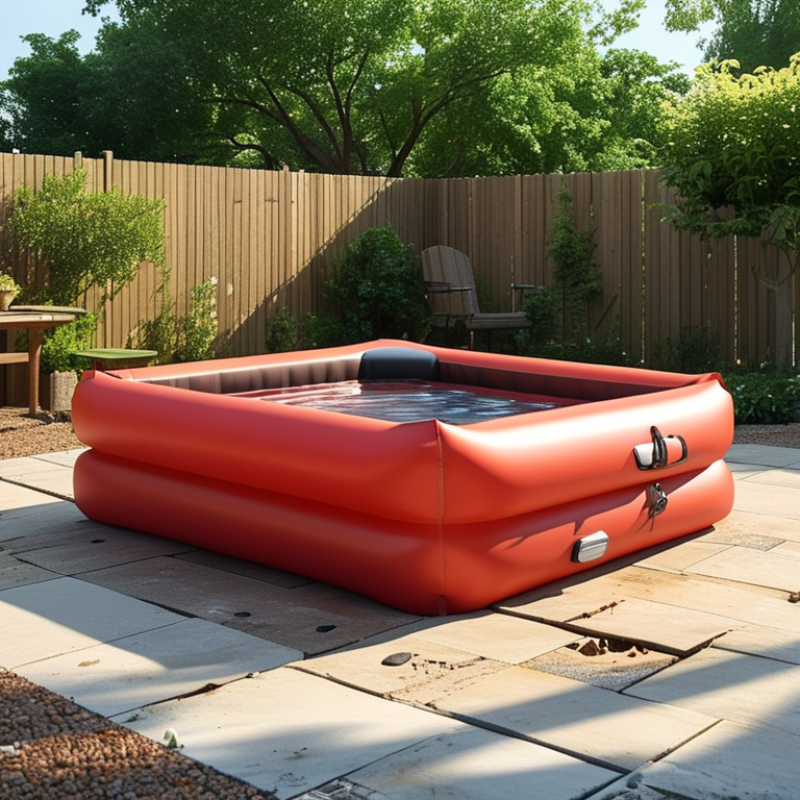
10 Tips for Buying Blow Up Swimming Pools?

Define Your Pool Needs, Space, and Intended Use

Before buying an inflatable swimming pool, define who will use it and why. A shallow pool may suit young children, while adults need greater depth and stronger support. For quiet cooling, a compact round pool can work well. For games or exercise, choose a wider shape with enough movement space. Count regular users, not occasional guests. That simple detail prevents many disappointing purchases.

Measure the available area before comparing pool sizes. Include walking space, filter access, and room for safe entry. A pool that fits the patio may still block a door or damage nearby plants. Check that the ground is level, firm, and free from sharp stones. I once underestimated the space needed for drainage and cleaning. It made maintenance awkward. Leave room for a cover and dry storage, too. Think about sunlight, water access, and privacy. A shaded corner may feel pleasant, but it can slow drying. For children, adult supervision and local safety guidance remain essential. Intended use should shape every measurement, not the other way around.

Compare Pool Sizes, Shapes, Materials, and Construction Quality

10 Tips for Buying Blow Up Swimming Pools

Tip 1: Measure your available area, including walking space and nearby furniture. A pool that fits tightly becomes difficult to clean.

Tip 2: Choose the size according to its real water capacity, not the advertised outer dimensions.

Tip 3: Round pools usually distribute water pressure evenly, while rectangular designs suit narrow yards better.

Tip 4: Check the pool’s height carefully. Taller walls offer more water depth but require steadier ground.

Tip 5: Look for reinforced PVC or layered vinyl with strong seams. Thin material may feel convenient, but small stones can damage it quickly.

Tip 6: Examine the construction quality around air valves, drain ports, and connection points. These areas often reveal weak manufacturing.

Tip 7: Read the weight limit and recommended water level. More space does not always mean safer swimming.

Tip 8: Inspect the ground before setup. Remove sharp gravel, roots, and uneven patches. I once underestimated a tiny stone.

Tip 9: Consider how the shape affects cleaning and storage. Complex corners can collect leaves and fold awkwardly after drying.

Tip 10: Ask whether replacement parts are available, including valves, covers, and repair patches. That detail supports reliable long-term use.

Do not trust appearance alone. A glossy surface may hide fragile seams, while a plain finish can offer better durability.

Check user feedback for repeated complaints, not isolated comments.

Product information can be incomplete, so compare measurements, materials, and construction details from several sources.

Check Safety Features, Water Capacity, and Maintenance Requirements

10 Tips for Buying Blow Up Swimming Pools

Tip 1: Check the pool’s material thickness, stable base, rounded edges, and secure air valves.

Tip 2: Look for clear safety labels and age guidance. The U.S. Consumer Product Safety Commission’s 2023 Pool or Spa Submersion Report recorded an annual average of 379 fatal child drownings and 6,300 emergency department-treated injuries among children under five. A shallow pool is not automatically safe.

Tip 3: Choose a design that allows constant adult supervision.

Tip 4: Keep ladders, toys, and chairs away from the pool when it is unused.

Tip 5: Measure the space before buying.

Tip 6: Check both filled dimensions and recommended water capacity. Water weighs about 8.34 pounds per gallon, so a large pool can overload a weak surface.

Tip 7: Avoid placing it on balconies, raised decks, or uneven ground.

Tip 8: Confirm that drainage will not flow toward doors or electrical equipment.

The Centers for Disease Control and Prevention identifies drowning as the leading cause of death for children aged one to four. That finding should change how buyers judge “convenient” pool placement.

Tip 9: Read the maintenance instructions carefully. Test water chemistry regularly, remove debris, and clean filters as directed.

Tip 10: Check how often the pool needs inflation and inspect seams for slow leaks.

The Centers for Disease Control and Prevention recommends proper disinfection and filtration for recreational water.

I would also budget for a cover and a simple testing kit. Many buyers focus on price, then underestimate daily care. That is an easy mistake.

Evaluate Inflation, Installation, Storage, and Included Accessories

10 Tips for Buying Blow Up Swimming Pools

Check the pool’s inflation method before judging its price. A strong air pump can reduce setup time and prevent uneven walls. Look for separate air chambers, clear valve instructions, and a pressure indicator. Overinflation can strain seams, especially under hot sunlight. Underinflation makes the sides sag and may reduce usable water depth. Tip: Inflate on level ground, then inspect every chamber before filling. Installation still requires preparation. Remove stones, twigs, and sharp objects from the area. A groundsheet can provide extra protection, but it cannot correct an uneven surface. I once underestimated this step, and draining the pool became unavoidable.

Storage deserves equal attention. Measure the folded pool, not only its inflated size. A damp pool stored too soon can develop odors or mildew. Drain it fully, wipe the liner, and allow several hours of air drying. The storage space should stay cool and dry. Tip: Keep repair patches, valves, and instructions in one labeled container. Included accessories can change the real value. Check for a cover, drain hose, filter system, ladder, repair kit, and ground mat. Some packages include basic accessories that feel flimsy after repeated use.

Read the weight limits and maintenance requirements carefully. A pool that looks spacious may hold less usable water than expected. I also question vague claims about fast installation. Setup time depends on ground preparation, weather, and the pump. No pool is effortless. Choose a model whose storage routine matches your available space and patience.

10 Tips for Buying Blow-Up Swimming Pools

Compare the main first-season cost areas before buying. The 2029 figures apply a 3% annual inflation rate to the 2026 planning estimates.

Use these representative estimates to evaluate the pool price, installation preparation, initial water treatment, storage, and a small replacement allowance. Actual costs vary by pool size, region, water rates, and included accessories.

Review Prices, Warranties, Customer Feedback, and Overall Value

Buying an inflatable swimming pool requires more than comparing two online prices. Price is only the opening number. Check the pool, pump, filter, ladder, cover, delivery, and replacement parts together. Measure your yard first, including a clear walking area around the pool. A practical mistake is choosing capacity before checking ground space and drainage. Compare wall height, material thickness, air valves, and included repair patches. These details often predict daily reliability better than attractive photographs.

Warranty language deserves careful reading. Confirm coverage length, excluded damage, proof-of-purchase rules, and who pays return shipping. A two-year warranty may offer less value than a shorter warranty with simple claims. Review customer feedback from verified buyers, especially comments posted after several months. Look for repeated complaints about leaks, weak pumps, unclear instructions, or missing parts. One negative review may be personal misuse. Twenty similar reviews suggest a pattern. That distinction matters.

Safety should influence value, not merely comfort. The U.S. Consumer Product Safety Commission reported an annual average of 6,500 emergency-department injuries involving children under 15 and pools or spas during 2018–2020. The CDC identifies drowning as the leading cause of death for children aged one to four. Choose stable access equipment, secure covers, visible water-level markings, and clear supervision rules. Check relevant safety guidance, including ASTM F2666 for residential aboveground pools. Calculate water, cleaning, storage, and seasonal replacement costs. My checklist still misses something occasionally. Recheck the warranty after purchase.

FAQS

: How should I measure the space for an inflatable pool?

: Measure the pool area, walking space, furniture, and drainage path. Leave room for cleaning. Tight placement becomes frustrating.

Should I choose size by outer dimensions or water capacity?

Use the filled dimensions and real water capacity. Outer measurements can look generous. They may hide limited swimming space.

Which pool shape works best for my yard?

Round pools usually spread water pressure evenly. Rectangular pools fit narrow yards better. Complex corners collect leaves.

What materials and seams should I inspect?

Look for reinforced PVC or layered vinyl. Examine seams, air valves, drain ports, and connection points. Weak details matter.

Is a shallow pool automatically safe for children?

No. Children still need constant adult supervision. Use clear age guidance and safety labels. Shallow does not mean risk-free.

Where should I place the pool?

Choose stable, level ground away from balconies and raised decks. Remove gravel, roots, and sharp objects. I once missed one tiny stone.

How much water can the pool safely hold?

Follow the recommended water level and weight limit. Water weighs about 8.34 pounds per gallon. A large pool may overload weak ground.

What maintenance does an inflatable pool require?

Test water chemistry regularly, remove debris, and clean filters as directed. Inspect seams for slow leaks. Daily care is easy to underestimate.

What replacement parts should I check before buying?

Confirm that valves, covers, and repair patches are available. These parts support longer use. Appearance alone can mislead.

Conclusion

Buying Blow Up Swimming Pools becomes easier when you first define your needs, available space, and intended use. Consider who will use the pool, how often it will be assembled, and whether it is mainly for relaxing, family play, or cooling off. Compare different sizes, shapes, materials, and construction methods, while checking that the design feels stable and durable. Safety should also be a priority, so review water capacity, recommended usage, drainage, and maintenance requirements before making a decision.

It is also important to evaluate how easily the pool can be inflated, installed, emptied, cleaned, and stored. Check whether useful accessories are included and whether the pool can be packed away conveniently when not in use. Finally, compare prices with warranties, customer feedback, expected durability, and overall value rather than choosing solely by cost. A well-researched purchase can provide a practical, enjoyable swimming space while reducing maintenance challenges and unexpected expenses.


Henry

Henry

Henry is a dedicated marketing professional with a profound expertise in the company's offerings. With years of experience in the industry, he possesses an impressive understanding of the market dynamics and consumer behaviors that drive success. Henry is committed to sharing his insights through......