How to Blow Up Swim Pools Safely in 2026?

Time:2026-09-06 Author:Charlotte
0%

“Blow Up Swim Pools” should mean inflating portable swimming pools safely, not using explosive methods or unsafe equipment. In 2026, responsible setup begins with the manufacturer’s instructions, the pool’s weight limits, and current local safety guidance. A small backyard pool still needs careful planning. Water can shift suddenly, damage surfaces, or attract unsupervised children.

Choose a level area free from stones, branches, glass, and sharp roots. A clean patio or firm lawn works better than sloped ground. Spread a protective ground cloth first. Inspect the pool liner, seams, valves, and air chambers before inflation. Use the recommended hand pump or low-pressure electric pump. Never force air into a valve. Stop when the walls feel firm, not rigid. Overinflation can stretch seams and cause sudden failure.

Keep cords and pumps away from standing water. Do not leave children nearby during inflation. After filling, check the pool every few minutes for bulging sides, leaks, or uneven pressure. Water should remain below the marked maximum level. Secure ladders, covers, and filtration equipment according to the instructions. Adult supervision remains necessary whenever children use the pool.

Small details matter.

Even experienced owners can miss a slow leak or a soft patch of ground. That is why a final inspection should happen before every use. These steps cannot remove every risk, but they reduce preventable problems. Safe preparation is less dramatic than rushing, yet it protects the pool, the yard, and everyone enjoying the water.
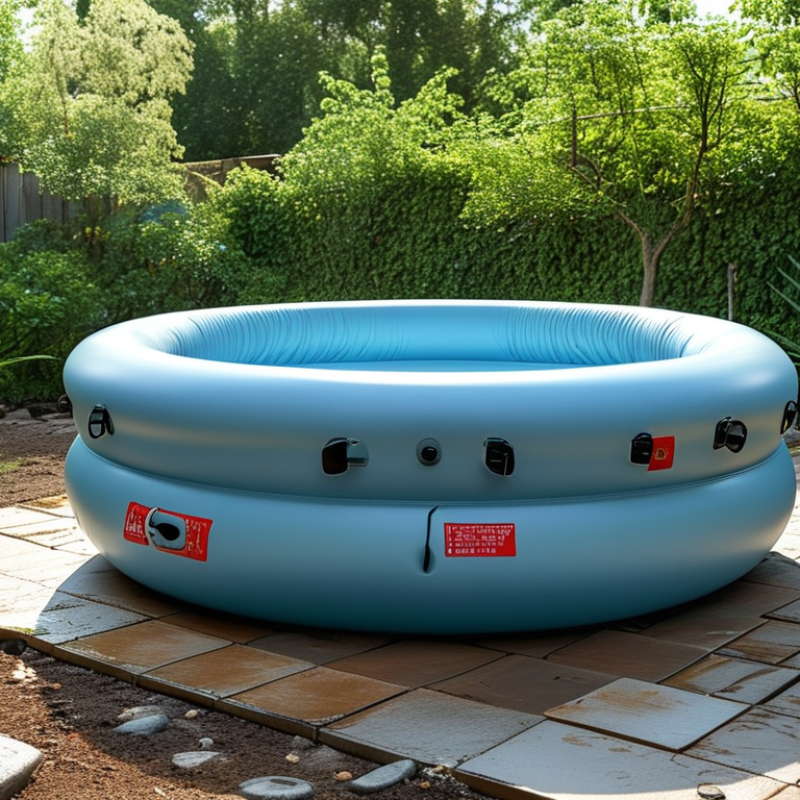
How to Blow Up Swim Pools Safely in 2026?

Choosing a Safe Location and Pool Type

How to Blow Up Swim Pools Safely in 2026?

A safe inflatable pool begins with the location, not the air pump. Choose firm, level ground free from stones, roots, glass, and sharp twigs. A shaded area can keep the water cooler and reduce material stress. Avoid slopes, balconies, rooftops, driveways, and places near electrical cables. Keep clear access around the pool for walking and emergency movement. I once underestimated a small slope; the water shifted noticeably after filling. That mistake changed how I inspect outdoor surfaces.

Pool type matters as much as placement. A shallow ring pool suits young children only with constant adult supervision. Larger frame-supported pools need stronger, flatter ground and more space around their sides. Check the pool’s instructions for capacity, inflation pressure, and recommended surface protection. Do not inflate it beside fences, walls, tree branches, or furniture. The material needs room to expand without rubbing against hard objects. Leave space for safe entry and exit.

Inspect the pool while inflating it. Stop if a seam stretches unevenly, a valve leaks, or the side bulges. Slightly soft can be safer than overfilled. Heat expands air, so a pool inflated tightly in the morning may become stressed by afternoon. Use a pump with a pressure gauge when available, and never leave the pump unattended near children. Drainage also deserves attention. Water can soften soil, flood nearby areas, or create slippery paths. My judgment is not perfect, so I recheck the ground after filling, not only before.

Gathering the Right Inflation Tools and Safety Equipment

How to Blow Up Swim Pools Safely in 2026?

Gathering the Right Inflation Tools and Safety Equipment

A safe setup begins with the correct inflation tools. Use a manual or electric pump with compatible valves and a pressure gauge. Never inflate by guessing. The pool should feel firm, not rigid. Overinflation can stress seams, especially under strong afternoon heat. Check the ground first. Remove sharp stones, glass, and twigs. Place a ground cloth underneath, then inspect every chamber for slow leaks. Keep electric pumps and plugs away from wet areas. Use a dry, protected power connection, and unplug the pump after inflation.

Safety equipment matters more than speed. Keep a reaching pole, first-aid kit, and phone within immediate reach. For young children, install an appropriate barrier and use a properly fitted, approved flotation device when needed. Adult supervision must remain close and continuous. The U.S. Consumer Product Safety Commission reports an average of 371 fatal child drownings in pools and spas each year from 2019 to 2021. The CDC also identifies drowning as the leading cause of death for children aged one to four.

Tips: Inflate during cooler hours. Recheck air pressure after heat rises. Do not rely on a cover as a barrier. Remove toys after swimming, because they can attract children. I still find pressure checks easy to skip. That is a mistake. A two-minute inspection may prevent a sudden collapse, slipping, or unnoticed leakage. Sources: U.S. CPSC Pool and Spa Submersion Report, 2024; CDC Drowning Prevention Data.

Inspecting the Pool Before and During Inflation

Before inflating a swim pool, inspect the ground and the pool itself. Choose a flat, clean surface free from stones, glass, roots, and sharp patio edges. A small object can create pressure damage later. Check every seam, air chamber, valve, plug, and drain fitting. Look for brittle vinyl, faded patches, pinholes, or uneven stretching. Do not inflate damaged material.

The U.S. Consumer Product Safety Commission’s 2024 Pool and Spa Submersion report estimates about 6,300 emergency-department-treated, nonfatal drowning injuries among children under 15 each year. A pool inspection cannot prevent every incident, but it can reduce equipment-related risks. During inflation, use the supplied hand or electric pump carefully. Avoid high-pressure compressors. Stop when the walls feel firm, not rock-hard. Then walk around the pool slowly. Watch for bulges, twisting seams, leaking valves, or one side rising faster than another. Something may look fine from above.

Pause and listen.

Apply mild soapy water around suspicious valves and seams; expanding bubbles may reveal a leak. Keep your face and fingers away from fast-moving valve openings. If the pool develops a sharp crease, sudden soft spot, or visible split, deflate it and repair it according to the manufacturer’s instructions. I have found that rushing the final inspection is the easiest mistake to make. It takes only a few minutes, yet many users skip it. The CDC’s Drowning Prevention data emphasizes constant, close supervision around water, even when a pool appears shallow. Never treat a successful inflation check as proof that the pool is safe without active supervision.

Inflating the Pool Step by Step Without Overfilling

How to Blow Up Swim Pools Safely in 2026?

Place the empty inflatable pool on smooth, dry ground. Remove stones, sticks, and sharp toys first. Check every air chamber and valve for visible damage. Inflate the largest chamber slowly, then continue with the smaller rings. Use a hand or low-pressure electric pump. Do not use a high-pressure compressor unless the instructions specifically allow it. Stop when each wall feels firm, not hard. Overinflation can stretch seams as the air warms. My first inflation is rarely perfect, so I pause for five minutes and check again. A soft spot may indicate uneven pressure, not necessarily a leak.

The U.S. Consumer Product Safety Commission’s 2024 drowning report estimated about 371 fatal child drownings annually among children under 15 during 2019–2021. It also estimated roughly 6,800 annual nonfatal drowning injuries during 2021–2023. These figures are not limited to inflatable pools, but they show why inflation and supervision belong together. After the air settles, close every valve firmly. Add water gradually, watching the sidewalls for bulging or leaning. Keep the water below the marked maximum line. ASTM F2666 guidance for residential aboveground pools also supports following stated safety and construction limits. Real conditions vary, and ignoring that detail is an easy mistake.

Tips: Test valves with soapy water. Bubbles reveal leaks. Keep the pump dry. Never leave children unattended, even in shallow water. Recheck air pressure after direct sunlight, cooling, or a noticeable temperature change.

How to Blow Up Swim Pools Safely in 2026? — Inflating the Pool Step by Step Without Overfilling
Step What to Do Recommended Conditions or Data How to Check It Safety Point
1 Read the pool’s current inflation and setup instructions before opening the air valve. Use the pressure limit, valve type, and inflation sequence specified for that exact pool. Do not assume that all inflatable pools use the same pressure. Locate the manufacturer’s pressure marking or instruction label near the valve or pool wall. Never use a pressure value from another pool as a substitute.
2 Choose a suitable location and remove sharp objects. Use a level, firm surface such as clean grass, a patio, or a smooth deck. Keep the pool away from glass, stones, thorns, tools, and electrical cords. Walk over the area and inspect it visually and by hand before laying out the pool. Do not place the pool on a slope, unstable ground, or a surface that could puncture the liner.
3 Spread the pool flat and straighten the air chambers. Align the base, sidewalls, seams, valves, and drain outlet. Keep the valve accessible during inflation. Confirm that no section is folded tightly or trapped beneath another section. Inflating a folded chamber can create uneven stress and may damage seams.
4 Inspect the pump, hose, adapter, and valve. Use a low-pressure pump or the pump type approved for the pool. Check that the adapter fits securely without forcing the valve. Look for cracked hoses, damaged adapters, loose fittings, or a valve that does not close properly. Do not use a high-pressure compressor or compressed-air cylinder.
5 Inflate the first chamber slowly. Use short pumping intervals, especially during the final stage. Keep the valve and seam area visible while air enters. Pause every 20–30 seconds to check the chamber’s shape and the seam tension. The chamber should become rounded and supportive, not rigid or stretched tight.
6 Inflate additional chambers in the order shown in the instructions. For multi-chamber pools, complete each chamber evenly rather than fully inflating one side while leaving the other side empty. Compare the height, firmness, and shape of opposite sides as you proceed. Even inflation helps prevent twisting, bulging, and excess load on the seams.
7 Stop before the pool becomes excessively hard. A correctly inflated chamber normally feels firm but slightly resilient when pressed with an open hand. The wall should hold its shape without looking overstretched. Press gently with the palm; do not use a knee, foot, tool, or sharp object to test firmness. If the material looks shiny, distorted, or highly stretched, release a small amount of air immediately.
8 Allow for temperature-related air expansion. Air pressure rises as the pool warms in direct sunlight. A pool inflated in cool morning air may feel tighter later in the day. Recheck the chambers after approximately 15–30 minutes in the sun and again after the pool warms. Leave clearance around the pool and never inflate it tightly against walls, fences, vehicles, or furniture.
9 Close and secure every valve. Push the valve cap fully into place and check that the stopper or threaded cover is properly seated. Apply light soapy water around the valve; growing bubbles indicate an air leak. Rinse and dry afterward. Do not use the pool if a valve or seam continues to leak.
10 Check the pool shape before adding water. The pool should be level, with sidewalls standing evenly and no large folds, bulges, or collapsed sections. Measure or visually compare the distance from the pool rim to the ground around all sides. Correct the position while the pool is empty; moving a filled pool can cause injury or structural failure.
11 Fill with water gradually and observe the walls. Add water in stages and stop at the marked maximum fill line or the level stated in the instructions. Pause several times to check that the base remains flat and the walls remain upright. Never exceed the marked water level; overfilling can cause wall failure and unsafe overflow.
12 Perform a final safety inspection before use. Check valves, seams, the surrounding ground, drainage, access, and the condition of ladders or steps if supplied. Confirm that there are no leaks, sharp objects, trip hazards, or electrical equipment within the wet area. Children require continuous, close adult supervision; pool walls and inflatable rings are not safety barriers.
13 Deflate and store the pool correctly after use. Remove water first, clean and dry the pool completely, then open the valves and fold it loosely. Inspect for punctures, mildew, valve damage, and weakened seams before storage. Store it in a cool, dry location away from sunlight, heat sources, rodents, and chemicals.
Important: Inflation time and firmness vary with pool size, air temperature, pump output, valve design, and material condition. The pool’s own instructions and pressure limit always take priority over general guidance. If no pressure limit is provided, avoid attaching a pressure gauge or pump setting that is not approved for that pool; inflate gradually and stop when the chamber is properly shaped and resilient rather than hard.

Securing, Using, and Deflating the Pool Safely

How to Blow Up Swim Pools Safely in 2026?

Inflating a swim pool starts with the ground, not the pump. Choose a flat, firm surface free from stones, roots, and sharp toys. Keep the pump and plugs dry. Inspect valves, seams, and the air chamber before filling. A soft-sided pool can shift when water becomes heavy. Use only the recommended air pressure. Overinflation may stress seams during hot weather. Leave clear walking space around the pool. Secure ladders, covers, and nearby furniture. CPSC reports recorded an average of 379 fatal child drownings annually among children under 15 from 2018 to 2020. Constant, close supervision still matters.

Use the pool only within its depth and capacity limits. Never rely on inflatable walls as a safety barrier. The CDC identifies drowning as the leading cause of death for children aged one to four. Keep a capable adult within reach of young swimmers. Remove loose hoses and electrical devices from wet areas. Check the water and structure during use. Small leaks can become unstable quickly. It happens.

Deflate after removing every swimmer and toy. Drain water away from foundations, paths, and neighboring property. Follow local drainage rules. Open valves slowly, then fold the pool without sharp bends. Dry every surface completely before storage. Moisture encourages mold and weakens material. Do not puncture an inflated chamber to save time. That shortcut can cause sudden collapse. My practical checklist is not perfect, so I repeat it, especially after windy weather or a rushed setup. The CPSC’s 2023 Residential Pool Safety Study supports barriers, supervision, and water-competency measures as layered protection.

How to Blow Up Swim Pools Safely in 2026?

Securing, Using, and Deflating the Pool Safely

This practical checklist organizes the main safety checks into five stages: inspecting the pool and site, inflating according to the instructions, securing the pool, supervising its use, and deflating it for storage. Always use a level surface, keep sharp objects away, avoid overinflation, and provide continuous adult supervision around water.

FAQS

: Where should an inflatable pool be placed?

: Choose firm, level ground without stones, roots, glass, or sharp twigs. Keep clear walking space around it.

Which locations should be avoided?

Avoid slopes, balconies, rooftops, driveways, electrical cables, fences, walls, branches, and nearby furniture.

Why does shade help?

Shade can keep water cooler and reduce material stress. However, inspect the ground again after filling.

What should I check before inflation?

Examine seams, air chambers, valves, plugs, and drain fittings. Look for pinholes, brittle material, fading, or uneven stretching.

How firmly should the pool be inflated?

Inflate it until the walls feel firm, not rock-hard. Slightly soft may be safer than overfilling.

Can heat affect inflation pressure?

Yes. Air expands in heat, so tight morning inflation may stress the pool later.

What warning signs require stopping inflation?

Stop for bulges, twisting seams, leaking valves, sharp creases, sudden soft spots, or unevenly rising sides.

How can a small leak be found?

Apply mild soapy water around suspicious seams and valves. Expanding bubbles may show escaping air.

Is an inflation check enough for safety?

No. Children require constant, close adult supervision, even in shallow water. The check only reduces equipment-related risks.

What mistake is easy to make?

Rushing the final inspection is common. I once underestimated a small slope, and the water shifted noticeably.

Conclusion

Blow Up Swim Pools safely in 2026 by starting with a flat, clean location away from sharp objects, slopes, heat sources, and obstacles. Choose a pool suited to the available space and intended users, then gather a compatible air pump, pressure gauge if available, repair patches, and basic safety equipment. Before inflation, inspect the pool for cracks, worn seams, blocked valves, or missing parts. Position it correctly and inflate each chamber gradually, checking its shape and firmness as you go. Avoid overfilling, since excessive pressure can damage seams or make the pool unstable.

Once inflated, secure the pool according to its design and keep the surrounding area dry and uncluttered. Supervise children, follow the pool’s capacity guidance, and check for leaks or shifting during use. When finished, remove accessories, release air slowly, clean and dry the pool completely, and store it in a cool, protected place to help prevent damage and ensure safer use next time.


Charlotte

Charlotte

Charlotte is a seasoned marketing professional with a deep understanding of the company's portfolio and a passion for elevating its presence in the market. With a keen eye for detail and a commitment to excellence, she ensures that our professional blog is regularly updated with insightful articles......