When it comes to marine safety and protection, choosing the right equipment is crucial. Inflatable Fenders have become a popular choice among boaters and marinas alike. Renowned marine expert Dr. Sarah Miller states, “Inflatable Fenders are essential for minimizing damage during docking and rafting.” Her insight highlights the significance of these fenders in enhancing maritime safety.
Inflatable Fenders offer versatile solutions for various vessels. They provide essential cushioning and protection against collisions. Unlike rigid fenders, these inflatable options are lightweight and easy to handle. They can be adjusted for optimal performance, ensuring that boats remain safe in various conditions. The durability of quality inflatable fenders makes them a reliable choice in the harsh marine environment.
However, not all inflatable fenders are created equal. Quality can vary significantly among manufacturers. This is an area that needs careful consideration. Some fenders may experience wear and tear faster, leading to potential safety risks. Therefore, it’s important to research and choose reputable brands to ensure reliability. Selecting the right Inflatable Fenders can ultimately make a difference in safe marine operations.
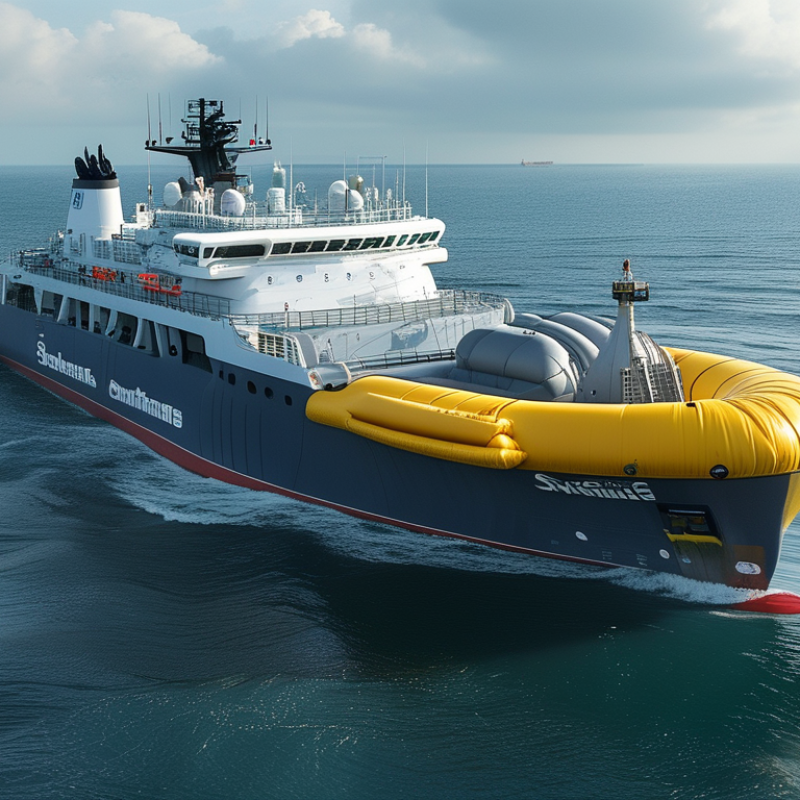
Benefits of Inflatable Fenders in Marine Environments
Inflatable fenders offer numerous advantages in marine environments. They provide excellent cushioning during docking and mooring, protecting vessels from damage. These fenders are lightweight and easy to handle, making them a popular choice among boaters. Unlike rigid fenders, inflatable versions adapt to varying water conditions, offering versatile protection.
The durability of inflatable fenders is another significant benefit. They resist punctures and abrasions, ensuring long-lasting performance. This reliability reduces the need for frequent replacements, saving money over time. Additionally, their design allows for easy storage when not in use, freeing up valuable space on board.
Tips: Regularly inspect fenders for any signs of wear or damage. Maintaining proper air pressure is crucial for optimal performance. Store fenders correctly to prevent deterioration. With a little attention, inflatable fenders can serve marine needs effectively for years.
Comparison of Inflatable vs. Hard Fenders in Cost and Performance
When selecting fenders for marine applications, the choice between inflatable and hard fenders is critical.
Inflatable fenders are lightweight and offer excellent buoyancy. They can absorb shocks, reducing the risk of damage to your vessel. Their flexibility allows for easy storage and transport. However, they may require regular maintenance to keep them in optimal condition.
On the other hand, hard fenders are known for their durability. They withstand harsh conditions and heavy impacts. They provide consistent protection without the risk of punctures. Yet, their weight can complicate handling. They take up more space, making transport challenging. In terms of cost, inflatable fenders are often more affordable initially, but maintenance costs can add up.
Hard fenders may be a larger investment upfront but can prove cost-effective long-term.
Both options present unique advantages and challenges. An inflatable fender may not perform well in extreme weather. A hard fender can last longer but may have practicality issues on smaller vessels. Assessing your specific needs is essential in making the right choice for your marine requirements.
Durability and Maintenance of Inflatable Fenders: Key Insights
Inflatable fenders are gaining attention in the marine industry. Their durability is a significant factor for many users. According to a recent industry report, inflatable fenders can last up to five years with proper care. However, maintenance practices vary among users. Keeping fenders clean and avoiding sharp objects are critical steps for longevity.
Another key insight is the material composition of inflatable fenders. Many are made from high-density polyethylene or neoprene, which can withstand harsh marine environments. A study highlighted that these materials resist UV rays and abrasions effectively. Yet, users must remain vigilant. Frequent inspections help identify wear and tear early. Neglect can lead to costly replacements.
Moreover, understanding inflation pressure is essential. Too little pressure can compromise performance, while over-inflation risks damage. Industry experts recommend checking pressure monthly. A proactive approach improves the fenders' lifespan. It’s clear that inflatable fenders, when maintained properly, provide significant value and reliability for marine applications. However, the balance between usage and care requires ongoing attention.
Why Choose Inflatable Fenders for Your Marine Needs?
| Feature |
Inflatable Fenders |
Traditional Fenders |
| Durability |
High resistance to punctures and UV damage |
Can wear out quickly under harsh conditions |
| Maintenance |
Easy to clean and repair |
Requires regular replacement and maintenance |
| Weight |
Lightweight and easy to handle |
Heavier and more cumbersome |
| Storage |
Deflates for compact storage |
Bulky and takes up more space |
| Cost |
Generally cost-effective over time |
Higher long-term costs due to replacements |
Industry Standards and Regulations for Inflatable Marine Fenders
Inflatable fenders are essential for various marine applications. They play a significant role in protecting vessels during docking and mooring operations. Understanding industry standards and regulations for these fenders ensures safe and compliant operations.
Inflatable marine fenders must meet specific performance criteria. The American Boat and Yacht Council (ABYC) and the International Organization for Standardization (ISO) provide guidelines for inflatable fenders. Adhering to these standards helps maintain durability and effectiveness. Essential tests include impact resistance, buoyancy, and pressure retention. Not following these standards can lead to failures and accidents.
Tips for choosing the right fender: Check the diameter and length based on your vessel's size. Ensure that fenders are adequately inflated for optimal performance. Inspect them regularly for leaks or wear. Mismatched fenders can cause problems during docking.
Keep in mind that not all inflatable fenders are created equal. Some may not withstand harsh marine environments. If you notice any signs of wear, replace them promptly. Long-term exposure to UV rays and saltwater can reduce their lifespan. Regular maintenance is crucial.
Real-World Applications: Inflatable Fenders in Shipping and Yachting
Inflatable fenders have become increasingly popular in both shipping and yachting industries. Their ability to absorb impact makes them essential for protecting vessels during docking and mooring. A report from the Marine Industry Association states that using inflatable fenders can reduce damage costs by up to 30%. This statistic highlights their effectiveness and reliability, positioning them as a preferred choice.
In shipping, inflatable fenders offer flexibility. They come in various sizes and can adapt to different vessel specifications. Yachts benefit from their lightweight design, which makes handling and storage easier. A study by the International Maritime Organization indicated that fenders play a vital role in ensuring safety during emergency docking scenarios. Their efficiency in high-traffic areas cannot be ignored.
Tip: Always consider the size and weight capacity of inflatable fenders relative to your vessel. Oversized fenders can cause instability.
Despite their advantages, inflatable fenders do require regular maintenance. Air leaks can lead to reduced performance. Regular inspection is crucial to ensure that they remain in good condition. Be cautious of prolonged exposure to harsh environments, as this can diminish their lifespan.
Tip: Invest in a quality repair kit. Quick fixes can extend the life of your fenders significantly.
Inflatable Fenders Usage in Marine Industries
Conclusion
Inflatable fenders offer significant advantages in marine environments by providing effective cushioning during docking and mooring, thereby preventing damage to vessels. Their lightweight design and ease of handling make them preferable over traditional hard fenders, especially when considering cost and performance. While inflatable fenders require proper maintenance to ensure their durability, they typically outperform hard fenders in terms of flexibility and adaptability to various conditions.
Moreover, industry standards and regulations guide the production and use of inflatable marine fenders, ensuring safety and reliability. Real-world applications in shipping and yachting demonstrate their versatility and effectiveness, making inflatable fenders a smart choice for enhancing maritime operations. Overall, the benefits of inflatable fenders, coupled with their regulatory backing, underline their importance in maintaining safe and efficient marine practices.

 Huayue Toys