Floating Docks are becoming increasingly popular for waterfront projects. Their versatility and durability make them an appealing choice. Many factors contribute to this trend, influencing designers and planners alike.
The ability to withstand varying water conditions is crucial. Floating Docks adapt to changing water levels, maintaining stability and safety. They also offer easy access for various activities. Boating, fishing, and recreational use all benefit from dock systems that rise and fall with the tide.
Yet, some may question their cost-effectiveness. Initial investments can be higher compared to traditional docks. However, long-term maintenance is often lower. Choosing Floating Docks may require careful consideration, but their resilience speaks volumes. They provide users with reliable platforms year-round. Understanding these trade-offs is essential in making the right decision for your waterfront project.
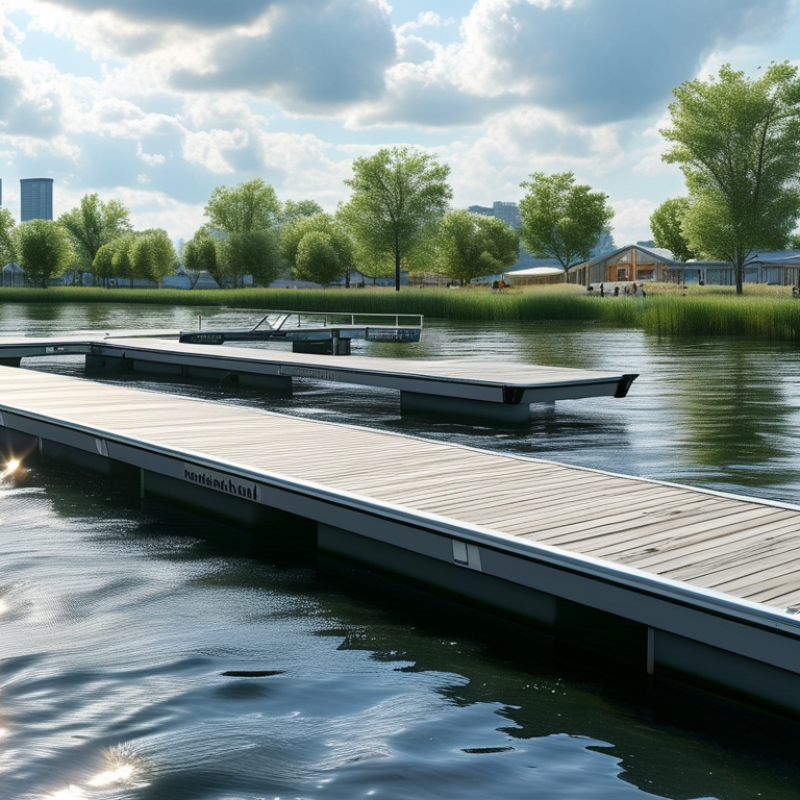
Floating docks are gaining popularity for waterfront projects due to their versatility and convenience. They adapt well to changing water levels, making them suitable for lakes, rivers, and coastal areas. Unlike fixed docks, floating docks rise and fall with the tide or water fluctuations. This feature ensures safety and accessibility for users at all times.
For recreational use, floating docks provide a stable platform for boating and fishing. They are often used in marinas and residential waterfronts. Their lightweight design makes installation easy, reducing labor costs. However, potential users should consider environmental factors. Proper design is key to ensuring durability and resilience against water conditions.
Tips: Regular maintenance of floating docks can prolong their lifespan. Check for damage and ensure connections are secure. Consider local wildlife when placing docks. They can impact aquatic life and require protective measures. Adapting to these considerations reflects responsible use of waterfront resources. Balancing practicality and environmental stewardship is crucial.
Floating docks are becoming an increasingly popular choice for waterfront projects, largely due to their design flexibility. The ability to customize size, shape, and materials sets them apart from traditional fixed docks. Industry reports indicate that nearly 70% of marina developers prefer floating structures for their adaptability to changing water levels and environmental conditions. This adaptability is crucial for areas prone to flooding or shifting tides, allowing for a more resilient design.
Customization options extend far beyond mere aesthetics. Floating docks can integrate various amenities such as lighting, seating, and even storage. These tailored designs enhance user experience by offering practical functions alongside picturesque views. Reports show that well-designed floating docks can significantly increase foot traffic at waterfront properties, leading to higher revenues. However, the uniqueness of each project may pose challenges, such as ensuring code compliance in diverse locations, which demands careful planning and execution.
In some cases, developers encounter limitations in available materials or local regulations that can hinder their creative vision. Addressing these constraints requires collaboration with expert engineers and designers who can navigate these complexities. Ultimately, while floating docks present numerous opportunities for customization, they also invite critical reflection on balancing innovation with practical implementation.
Floating docks are gaining traction in waterfront projects due to their remarkable durability and low maintenance. According to the National Marine Manufacturers Association, floating dock systems can last over 30 years with proper care. They are designed to withstand harsh weather conditions, including high winds and rising water levels. This longevity makes them a cost-effective solution in the long run.
Maintenance is another significant advantage. Floating docks require minimal upkeep compared to traditional fixed structures. Many systems are built using materials that resist pests, rot, and corrosion. A recent report from the American Society of Civil Engineers highlighted that properly maintained floating docks can reduce maintenance costs by up to 50%. It’s crucial, however, to inspect the docks regularly for any wear or damage, especially after severe weather events.
Tips: When selecting a floating dock, consider the water type and local climate. Ensure the materials used are suited for your specific environment. Regularly evaluate the dock's components, addressing minor issues before they escalate. Additionally, engaging with professionals for installation and maintenance can greatly enhance the dock's lifespan.
Floating docks offer unique environmental benefits that traditional piers cannot match. These structures adapt to changing water levels, reducing erosion and protecting shorelines. By floating on the water, they allow for the natural movement of water and sediment below. This design minimizes disruption to aquatic ecosystems. Fish and plant life can thrive beneath the docks, leading to healthier habitats.
The sustainability of floating docks also shines in their materials. Many designs utilize recycled or eco-friendly components. This approach reduces waste and lessens the docks' carbon footprint. Additionally, floating docks can be easily relocated. This flexibility helps protect sensitive areas during extreme weather events. However, careful planning is still necessary. Improper placement might harm local wildlife. It’s vital to assess the ecological impact thoroughly before installation.
While floating docks present numerous advantages, challenges remain. Proper maintenance is vital to ensure longevity and safety. Regular inspections can prevent any negative impacts from pollutants or debris. Engaging with environmental experts can provide guidance on best practices. It helps ensure these structures achieve their intended sustainability goals while minimizing risks to the environment.
Floating docks are becoming a popular choice for waterfront projects, especially when cost is a primary concern. Unlike traditional options, floating docks often require less maintenance and lower initial investment. They adapt well to changing water levels, avoiding many issues that can lead to costly repairs. Many owners appreciate the flexibility and durability that floating docks offer, enhancing both functionality and appeal.
When considering your project, think about long-term savings. Floating docks can reduce infrastructure costs. They are easy to install and relocate, which saves money during both setup and reconfiguration. If you expect fluctuating water conditions, floating docks can be a wise choice.
Here are some tips for your consideration: check local regulations for permits related to waterfront installations. Also, consult with experts to determine the best materials for your specific environment. Engaging with professionals can provide insights that are crucial for a wise investment. Ensure the floating dock design aligns with your overall vision and functionality.
: Floating docks offer design flexibility. They can be customized in size, shape, and materials for various needs.
They reduce erosion and protect shorelines. By allowing water movement, they support healthy aquatic ecosystems.
Floating docks can include lighting, seating, and storage. These features enhance the user experience at waterfronts.
Yes, developers may face material limitations and local regulations. This can hinder creative design visions.
Well-designed floating docks can attract more visitors. Increased foot traffic in waterfront areas often leads to higher income.
Regular inspections are essential. Proper maintenance ensures safety and longevity, preventing negative environmental impacts.
Absolutely. This adaptability helps avoid issues that may result in costly repairs for traditional installations.
Yes, careful assessment of local wildlife is crucial. Improper placement could harm these ecosystems.
Experts can provide insights on materials and compliance. Their guidance can lead to better design and investment decisions.
Generally, yes. Floating docks require less maintenance and often have a lower initial setup cost.
Floating Docks offer a versatile solution for various waterfront projects, providing numerous benefits that cater to diverse applications. Their design flexibility allows for customization to fit specific needs, ensuring they can adapt to different environmental conditions and usage requirements. Additionally, floating docks are renowned for their durability, requiring less maintenance than traditional options, which contributes to their long-term cost-effectiveness.
Moreover, the environmental impact of floating docks is often more favorable compared to fixed alternatives, as they minimize disruption to aquatic ecosystems. Their sustainable design aligns with the growing emphasis on eco-friendly construction practices. In summary, choosing floating docks for waterfront projects not only enhances functionality and aesthetics but also promotes sustainability and cost savings, making them an excellent option for developers and users alike.

Huayue Toys