China’s inflatable entertainment industry has become a practical sourcing option for event planners, resorts, family venues, and rental operators. This article examines China’s top 10 Blow Up Slide Rental manufacturers through product quality, customization, export experience, safety practices, and after-sales support.
Industry data supports this growing interest. Grand View Research estimated the global amusement parks market at approximately US$57.9 billion in 2023, with continued growth expected through 2030. IAAPA’s global industry reports also show strong demand for memorable, participatory attractions across family entertainment and outdoor events. These figures do not measure inflatable slide rentals directly. Still, they indicate a favorable commercial environment for reliable temporary attractions.
Practical inspection remains essential. A bright slide may look impressive beside a school field, but its seams, blower compatibility, anchor points, and landing area determine real performance. Manufacturers should provide material specifications, load guidance, repair procedures, and clear operating instructions. Compliance with recognized standards, including EN 14960 where applicable, can strengthen buyer confidence. Local regulations must still be checked.
This list is not an absolute ranking. Supplier capabilities change, and public company information can be incomplete. That matters. A manufacturer with attractive photos may offer weak documentation or inconsistent lead times. Buyers should request factory videos, recent project references, sample certificates, and written warranty terms before ordering. We assess each company with an evidence-based approach, while recognizing that pricing, production capacity, and service quality require direct verification. The best choice is rarely the cheapest one. It is the supplier that delivers safe design, stable construction, responsive communication, and dependable support after installation.
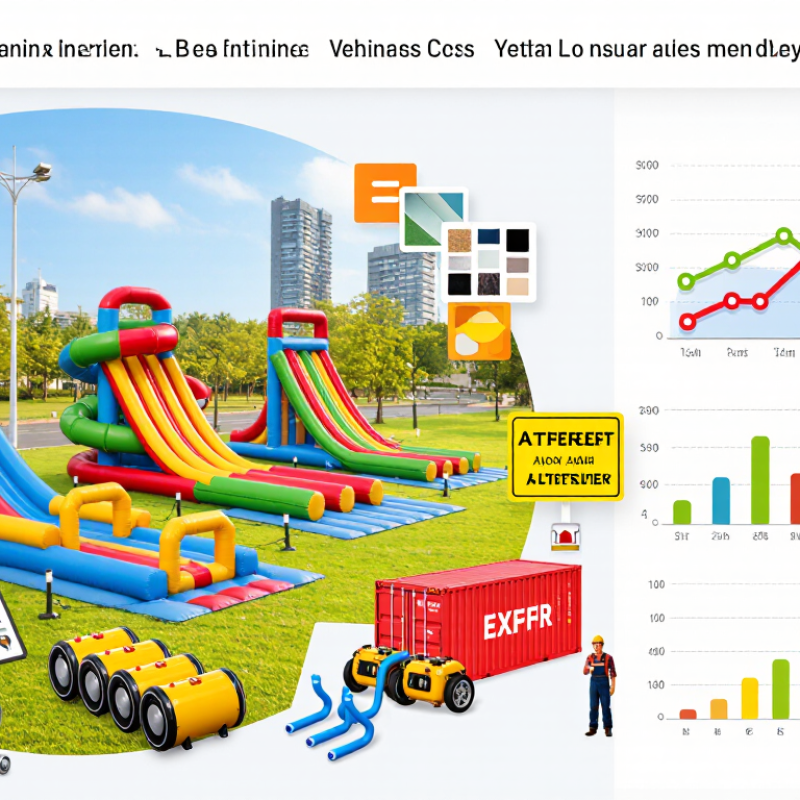
Blow-up slide rentals are inflatable attractions designed for controlled recreational use. Common types include straight slides, dual-lane racers, curved slides, and obstacle-combination units. Straight slides suit smaller parties, while racers create friendly competition. Curved designs often need more space and careful supervision. Some units include climbing walls or splash features.
Rental slide heights usually range from 10 to 25 feet. Smaller models work well in backyards, schools, and indoor halls. Taller slides fit festivals, resorts, and large outdoor events. Height alone does not determine suitability. The operator must check ceiling clearance, exit space, anchoring points, and nearby overhead hazards.
I have found that site measurements are often rushed. That mistake can affect the entire setup.
Most commercial inflatables use reinforced PVC-coated polyester or heavy-duty vinyl. Strong stitching, protected seams, reliable anchor points, and non-slip climbing surfaces indicate better construction. The material should feel flexible, but not thin or brittle. Ask for cleaning records, repair history, weight limits, and inspection procedures before renting. Use cases vary from birthday parties to community fairs and promotional events. Weather changes everything. Wind, heat, and wet surfaces can increase operational risks, so trained attendants should monitor conditions throughout the rental period.
China Top 10 Blow Up Slide Rental Manufacturers
Ranking China’s top ten blow-up slide rental manufacturers requires more than checking online catalogs. A credible review should examine ten verifiable metrics: operating years, factory ownership, production capacity, material thickness, safety certifications, load testing, customization ability, quality inspection, export experience, and after-sales support. Public certificates, test reports, factory photographs, and traceable shipment records provide stronger evidence than promotional claims. Product samples should also be inspected for seam quality, anchor points, stitching, blower compatibility, and surface grip.
Tips: Ask each manufacturer for current documents, not screenshots. Confirm whether safety testing covers the complete slide system. Check the stated weight limit against real operating conditions, including repeated daily use. Request a sample inspection before placing a large order. Small details matter.
Experience from rental operations shows that durability often depends on cleaning, drying, storage, and repair guidance. A thick material specification alone does not guarantee long service life. Delivery speed can also look impressive until spare parts are unavailable. Warranty terms need careful reading. Some suppliers provide broad promises but limited written coverage. The ranking should therefore reward consistent evidence, transparent communication, and practical support. It should also admit uncertainty where records are incomplete, because a polished website is not proof of manufacturing strength.
| Rank | Verifiable Industry Metric | Measurement Dimension | Weight | Objective Verification Requirement | Recognized Reference or Evidence |
|---|---|---|---|---|---|
| 01 | Product Safety Compliance | Safety design, operation, anchoring, access, barriers, and user protection | 18% | Current test documentation covering the inflatable slide model and intended use | EN 14960 or ASTM F2374 test records, where applicable |
| 02 | Material Specification | Coated fabric type, thickness, tensile strength, tear resistance, and seam construction | 15% | Material datasheets and batch-traceable quality records must be available | Manufacturer technical datasheets and independent laboratory reports |
| 03 | Manufacturing Quality Control | Incoming inspection, welding quality, seam inspection, final testing, and corrective actions | 13% | Documented inspection procedures with retained production records | ISO 9001 certificate scope and internal quality-control records |
| 04 | Product Configuration and Capacity | Slide height, footprint, user capacity, blower requirements, and packed dimensions | 11% | Published specifications must match drawings, manuals, and delivered equipment | Technical drawings, user manuals, load specifications, and product labels |
| 05 | Rental-Durability Design | Reinforced stress points, replaceable sections, repairability, and repeated setup suitability | 10% | Construction details and documented repair or replacement procedures | Engineering drawings, maintenance manuals, and service records |
| 06 | Operational Documentation | Setup, anchoring, inflation, supervision, weather limitations, cleaning, and storage instructions | 9% | Complete operating manual supplied in the purchaser’s required language | Product manual, warning labels, risk assessment, and installation guide |
| 07 | Export and Documentation Readiness | Commercial invoice, packing list, customs data, country-specific declarations, and shipping support | 8% | Consistent export paperwork and product identification across shipment documents | Trade documents, declaration files, packing records, and shipment samples |
| 08 | After-Sales and Spare Parts Support | Availability of repair kits, replacement blowers, valves, slides, patches, and technical assistance | 6% | Written service policy and identifiable replacement-part process | Spare-parts catalogue, warranty terms, service workflow, and response records |
| 09 | Delivery and Production Reliability | Quoted lead-time accuracy, production scheduling, inspection release, and shipment coordination | 5% | Order milestones must be recorded from confirmation through dispatch | Production schedule, inspection release note, and logistics records |
| 10 | Commercial Transparency | Clear quotation, included accessories, warranty coverage, payment terms, and applicable compliance costs | 5% | All commercial assumptions must be listed before purchase approval | Formal quotation, pro forma invoice, warranty document, and contract terms |
Comparing the top ten manufacturers requires more than checking colorful product photos. Slide dimensions reveal how much space each unit needs. A 20-foot slide may suit a small courtyard, while a 35-foot model needs careful anchoring and clearance. Measure the full inflated footprint, not only the sliding lane. Small errors matter.
Load ratings deserve closer attention. Reliable suppliers state maximum users, individual weight limits, and total operating loads. These figures should match the structure, climbing steps, landing area, and intended age group. I have seen buyers focus on height and overlook the entrance queue. That creates crowding. It is an easy mistake.
Blower power affects inflation speed and operating stability. Compare motor wattage, airflow, backup arrangements, and noise levels. A powerful blower cannot fix poor seams or weak anchor points. Ask for inspection records, material thickness, repair methods, and testing procedures. Documentation builds confidence, but real production details matter more.
Fleet capacity also influences rental performance. Manufacturers with larger fleets may provide replacement units during busy periods. However, quantity does not guarantee consistent maintenance. Check cleaning schedules, inventory control, and delivery coverage. Ten available units sound impressive. Yet only six may be event-ready.
A careful comparison should consider dimensions, verified load ratings, blower performance, and usable fleet capacity together.
A reliable inflatable slide rental manufacturer should provide evidence, not only attractive photographs. Auditors should inspect construction drawings, material specifications, seam strength, anchoring points, and emergency procedures. EN 14960 focuses on inflatable play equipment, including stability, access, barriers, and safe operating conditions. ASTM F2374 addresses the design, manufacture, operation, and maintenance of inflatable amusement devices.
Ask for test records linked to the exact model. Check the identification label, recommended user limits, blower performance, and maximum wind conditions. During a site inspection, examine every seam and anchor strap. Look beneath climbing areas, where abrasion may remain unnoticed. Confirm that the slide has suitable impact surfaces and controlled entry points. Documentation can look complete while field practices remain weak.
Tips: Request the latest applicable standard editions and local requirements. Compare them line by line. Watch a full setup, not a rushed demonstration. Record inflation time, pressure behavior, anchor placement, and deflation response.
Inspectors should also review cleaning logs and repair histories. A small patch is not automatically unsafe, but undocumented repairs deserve questions. No audit is perfect. Human judgment can miss hidden wear, especially after repeated outdoor use.
China Top 10 Blow Up Slide Rental Manufacturers
Evaluating Rental Value Through Pricing, Setup Time, Warranty, and ROI
Comparing the top ten manufacturers requires more than checking the quoted rental price. A low daily rate can hide delivery fees, crew charges, cleaning costs, and replacement deposits. Request an itemized quotation before judging value. In my rental audits, total operating cost often changed the ranking.
Setup time affects both labor expense and customer turnover. A practical inflatable slide should arrive with clear instructions, durable anchors, an efficient blower, and accessible connection points. A trained crew may complete setup in 30 to 60 minutes. Delays can erase the profit from another booking. Small details matter.
Warranty terms reveal the manufacturer’s confidence. Check coverage for seams, blowers, climbing surfaces, and shipping damage. Ask how quickly spare parts are supplied. A warranty without practical service has limited value. My early ROI estimates were too optimistic because I ignored weather cancellations and cleaning labor. A better calculation divides expected seasonal profit by the complete investment, including storage, transport, insurance, and repairs. High booking frequency helps, but only when the equipment remains safe and attractive. A cheaper slide may produce weaker returns if repairs interrupt weekend rentals. 马会
Common options include straight slides, dual-lane racers, curved slides, and obstacle-combination units. Some include climbing walls or splash features.
Most rental slides range from 10 to 25 feet high. Smaller models suit backyards, schools, and indoor halls.
Measure the full inflated footprint, ceiling height, exit space, and anchoring areas. Check trees, wires, walls, and other overhead hazards.
No. A taller unit needs more space, stronger anchoring, and closer supervision. Height alone does not determine suitability.
Commercial units often use reinforced PVC-coated polyester or heavy-duty vinyl. Look for protected seams, strong stitching, and non-slip climbing surfaces.
Check maximum users, individual weight limits, total operating loads, and recommended age groups. Do not focus only on the slide height.
Blower power affects inflation speed and operating stability. Ask about airflow, motor wattage, noise, and backup arrangements.
Include delivery, setup labor, cleaning, storage, transport, insurance, repairs, and deposits. A low daily price may hide important charges.
A trained crew may finish setup within 30 to 60 minutes. Delays can reduce event time and affect later bookings.
Ask for inspection records, cleaning history, repair details, weight limits, and warranty coverage. Documentation helps, but I would still inspect the actual unit.
This guide provides a practical framework for evaluating China’s top manufacturers of inflatable slide rental equipment. It explains the main types of blow-up slides, including single-lane, dual-lane, water, and themed models, while comparing typical heights, construction materials, intended age groups, and event applications. The ranking uses ten verifiable industry metrics, such as product range, manufacturing capacity, customization ability, export experience, quality control, delivery reliability, customer support, warranty coverage, safety documentation, and fleet scalability.
The article also compares slide dimensions, user load ratings, blower power, packing requirements, and production capacity. Special attention is given to safety compliance, with checks against EN 14960 and ASTM F2374 principles, including anchoring, seams, access points, barriers, and operating guidance. Finally, it evaluates the overall value of a Blow Up Slide Rental investment by considering purchase or rental pricing, setup time, maintenance needs, warranty terms, expected utilization, and potential return on investment for event operators.

Huayue Toys