China Best Inflatable Raft Boat Manufacturer?

Time:2026-10-11 Author:Ethan
0%

China has become a major sourcing market for inflatable watercraft, but “best” depends on evidence, not factory claims. An Inflatable Raft Boat should be judged by construction quality, testing discipline, service, and intended water conditions.

A reliable manufacturer should explain its fabric clearly, including reinforced PVC or Hypalon-type material. Buyers should inspect seam welding, valve protection, floor stiffness, drain design, and repair access. Samples can reveal details that catalogs hide. Check air retention after inflation, especially overnight. Ask for documented pressure testing, load guidance, batch traceability, and user manuals. A serious supplier should also discuss packaging, replacement parts, warranty limits, and realistic delivery schedules.

Small details matter. Clean welds matter. So does communication. Factory visits, video inspections, and independent pre-shipment checks can strengthen confidence. Certifications may support evaluation, but they should match the product and destination market. Paperwork alone is not proof of dependable performance.

This guide compares Chinese manufacturers through a practical E-E-A-T lens: manufacturing experience, technical knowledge, industry credibility, and transparent evidence. It also considers after-sales response when a valve leaks or an accessory arrives damaged. No supplier is perfect. Even a promising factory may have inconsistent batches or unclear specifications. Careful questions remain essential. The goal is not to choose the loudest company, but the manufacturer that delivers a safe, repairable, and honestly specified Inflatable Raft Boat.
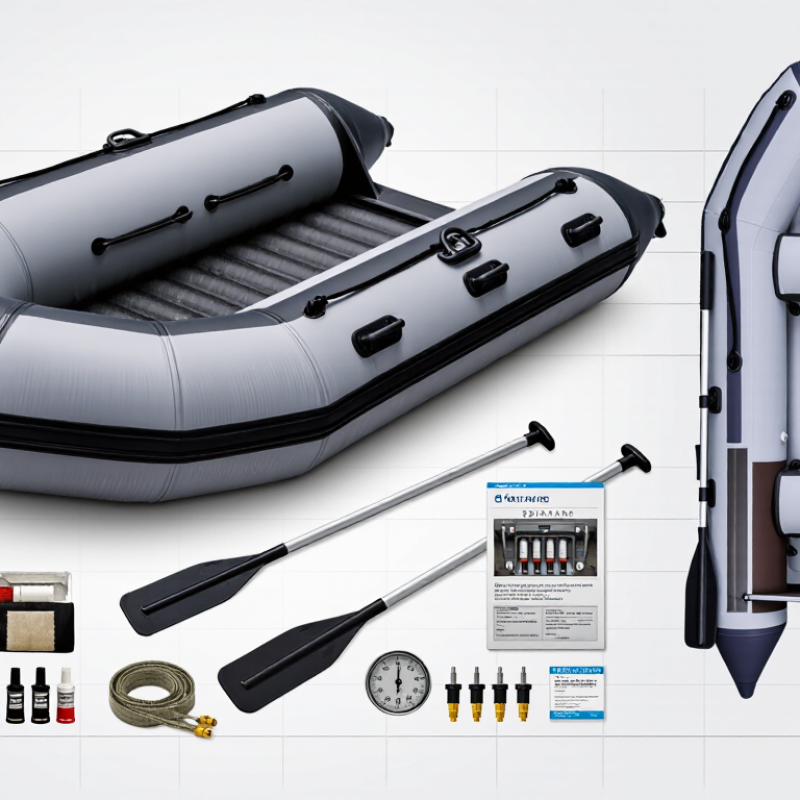
China Best Inflatable Raft Boat Manufacturer?

What Defines a High-Quality Inflatable Raft Boat Manufacturer in China?

China Best Inflatable Raft Boat Manufacturer?

What Defines a High-Quality Inflatable Raft Boat Manufacturer in China?

A high-quality manufacturer begins with materials, not attractive catalog photos. Experienced teams select suitable PVC or TPU fabrics for the intended water conditions. They check fabric thickness, coating adhesion, tensile strength, and resistance to sunlight. The factory should explain these choices clearly. Vague answers often signal weak technical control.

Reliable production depends on trained workers and repeatable processes. Heat-welded seams need controlled temperature, pressure, and dwell time. Each air chamber should receive leak testing before packing. Valves must fit firmly and remain easy to operate with wet hands. I have found that small details matter, especially reinforced handles, floor connections, and drain points. A manufacturer should provide inspection records, material batches, load-test results, and clear repair instructions.

Ask how quality problems are handled after delivery. Good suppliers keep traceable production records and respond with evidence, not promises. They can arrange sample inspections and explain acceptable tolerances. However, no factory gets every detail right. Even careful production can face fabric variation, transport damage, or an imperfect weld. That is why transparent correction procedures matter. A less polished answer may be more trustworthy than exaggerated perfection. A dependable manufacturer keeps improving through customer feedback, field testing, and documented corrective actions.

Key Product Types and Manufacturing Capabilities

Choosing the best inflatable raft boat manufacturer in China requires more than comparing prices. It requires matching product type with engineering capability.

IMARC Group estimated the global inflatable boat market at approximately US$1.3 billion in 2023, with a projected 5.2% CAGR through 2032. This growth supports demand for compact tenders, fishing rafts, whitewater boats, rescue craft, and rigid inflatable boats.

Each type needs different construction controls. A tender may prioritize low weight and fast inflation. A fishing raft needs reinforced floors, stable chambers, and practical mounting points. Whitewater models require abrasion-resistant fabric and carefully welded seams. Rigid inflatable boats add fiberglass or aluminum hulls, stronger transoms, and higher load requirements. Reliable factories should offer material traceability, CNC cutting, high-frequency or hot-air welding, pressure retention tests, and batch inspection records. ISO 6185 provides a useful reference for inflatable boat design and safety testing.

A factory’s real capability appears in small details. Ask for seam-peel results, air-loss records, valve testing, and sample inspection photographs. Production capacity alone proves little. Some suppliers list many models but outsource critical welding. That weakens consistency. A better evaluation includes a pre-production sample, documented quality checkpoints, and an independent inspection before shipment. Even experienced buyers can miss floor-bonding defects or uneven chamber pressure. That is worth admitting. No single manufacturer is best for every use. Safety, material quality, customization, and after-sales control must fit the boat’s operating conditions.

Materials, Safety Standards, and Quality Control

China Best Inflatable Raft Boat Manufacturer?

Materials, safety standards, and quality control often separate a dependable raft from a cheap-looking copy. Common hull materials include reinforced PVC, CSM, and polyurethane-coated fabric. PVC offers practical durability and easy maintenance. CSM handles sunlight, fuel exposure, and demanding marine conditions better. However, material choice alone proves little. Fabric weight, coating thickness, thread quality, and adhesive compatibility matter just as much.

Safety begins with controlled design and verified testing. A responsible manufacturer should work against applicable inflatable boat standards, such as ISO 6185, while meeting destination-market requirements. Each air chamber should receive pressure testing, not only a visual inspection. Technicians should also check valve sealing, seam strength, overload performance, and emergency repair access. Small details matter. A loose valve cap can become a serious problem offshore.

Quality control should continue from incoming fabric inspection to final packing. Useful records include batch numbers, weld temperatures, pressure readings, and operator sign-offs. Random production samples should remain inflated for extended air-retention checks. In practice, inspection systems are not perfect. A hidden adhesive weakness may escape one test. That is why repeated checks and traceable records are more convincing than polished photographs. Buyers should request test evidence, material specifications, and clear warranty terms before comparing prices. A lower quotation may reflect thinner fabric, rushed curing, or limited testing. That deserves a second look.

China Best Inflatable Raft Boat Manufacturer? — Materials, Safety Standards, and Quality Control

Typical areal mass of PVC-coated polyester fabric used in inflatable raft construction.

Materials

Heavier coated fabric generally provides greater abrasion resistance and durability, but it also increases boat weight and handling requirements.

Safety Standards

The applicable ISO 6185 category should be selected according to boat length, propulsion type, and engine power before production or certification.

Quality Control

Key checks include fabric thickness, welded seams, valve integrity, pressure retention, load-bearing attachments, and traceable final inspection records.

The chart uses representative nominal specifications commonly published for PVC-coated polyester fabrics. Exact areal mass varies with yarn construction, coating formulation, tolerance, and test method; these values are not universal certification limits.

How to Evaluate Chinese Inflatable Raft Boat Suppliers

China Best Inflatable Raft Boat Manufacturer? How to Evaluate Chinese Inflatable Raft Boat Suppliers

Supplier evaluation should begin with evidence, not catalog photos. The 2023 Recreational Boating Statistical Abstract reported 11.6 million registered recreational boats in the United States. That demand makes quality control commercially important. Ask for material certificates, fabric weight, tensile strength, and UV-resistance results. ISO 6185 provides useful requirements for non-rigid boats. A serious supplier should explain which clauses its products meet. Vague answers deserve caution.

Request a production sample before signing a large order. Measure tube diameter, floor stiffness, valve fit, and packed dimensions. Check every seam after inflation. Hold the boat at its stated pressure for 24 hours, then record pressure loss. Ask for factory inspection records, batch numbers, and corrective-action reports. Independent laboratory testing is stronger than an internal checklist. Grand View Research estimated the global inflatable boats market at about US$2.8 billion in 2023, so competition is intense. Low prices can hide thinner fabric or rushed bonding.

Visit the workshop if possible. Watch workers clean seams, control temperature, and repair small defects. Review incoming-material storage and spare-part availability. Confirm lead times in writing, including inspection delays. Payment terms also reveal business maturity. I once treated a polished sample as proof of stable production. It was not. One sample can mislead. Keep a second qualified supplier, and repeat random inspections during production.

Customization, Pricing, and Export Support Factors

China Best Inflatable Raft Boat Manufacturer? Customization, Pricing, and Export Support Factors

Choosing the best inflatable raft boat manufacturer requires more than comparing online prices. Practical buyers should examine materials, welding quality, valve design, and factory experience. A reliable supplier can explain fabric thickness, load capacity, inflation pressure, and suitable operating conditions clearly. Ask for recent product photos and a sample inspection. Details matter.

Customization may include color, dimensions, floor structure, seating, handles, and packaging. Confirm whether changes require new tooling or increase the minimum order quantity. Pricing should cover materials, accessories, testing, packing, and delivery terms. The cheapest quotation may exclude important costs. I have found that unclear specifications often create delays, even when the original price looks attractive. That deserves honest review.

Tips: Request a complete quotation with itemized costs. Check export documents, packing standards, and destination-country requirements before payment. Ask how defects are handled and whether replacement parts are available. Export support should include accurate invoices, packing lists, shipping coordination, and reasonable response times. Strong communication is useful, but written confirmation is safer. A small pilot order can reveal production consistency before larger investment. Be careful with promises that sound perfect. Real factories usually explain limits, lead times, and possible variations.

China Best Inflatable Raft Boat Manufacturer? - Customization, Pricing, and Export Support Factors

Evaluation Dimension Typical Market Data What to Check with a Supplier Buyer Consideration
Common Product Types Inflatable dinghies, fishing rafts, rescue boats, recreational rafts, and inflatable kayaks Hull shape, floor structure, load rating, intended water conditions, and propulsion compatibility Select a design according to passenger capacity, operating environment, storage space, and transport method
Typical Length Range Approximately 2.0–5.5 m for commonly traded inflatable raft boats Overall length, internal usable space, tube diameter, packed dimensions, and weight Larger boats generally provide greater capacity but require higher freight cost and more storage space
Main Fabric Options PVC-coated fabric is common; reinforced PVC and Hypalon-type materials are used for higher durability requirements Fabric weight, tensile strength, tear strength, UV resistance, seam construction, and material certificates Material selection should reflect frequency of use, sunlight exposure, abrasion risk, and expected service life
Indicative Factory Price Small basic models: about US$120–350; medium reinforced models: about US$350–1,200; larger or specialized models: about US$1,200–4,000+ Confirm whether the quotation includes oars, pump, seats, repair kit, floor, packaging, tooling, and taxes Prices vary substantially with fabric, dimensions, accessories, order quantity, testing, and shipping terms
Customization Capability Common options include color, graphics, dimensions, floor type, seating, handles, valves, lifting points, and accessory kits Request engineering drawings, color references, logo artwork requirements, prototype policy, and change-control procedures Custom graphics are usually easier and less costly than changes to hull structure or tooling
Minimum Order Quantity Stock or standard products may be available from 1 unit; customized production commonly starts around 10–50 units Ask whether MOQ applies per model, color, size, or total order and whether a sample counts toward production Lower quantities may carry higher unit prices, setup fees, or sample charges
Sample and Prototype Time Standard samples often take about 7–15 working days; customized prototypes commonly require 15–30 working days Confirm whether production begins only after written sample approval and how revisions affect the schedule Approve dimensions, color, accessories, labels, and packaging before mass production
Mass Production Lead Time Typically about 20–45 working days after deposit and final approval; complex orders may take longer Check production capacity, peak-season schedules, raw-material availability, and inspection milestones Build in additional time for pre-shipment inspection, port handling, customs, and inland delivery
Quality-Control Points Typical checks include air-leak testing, pressure retention, seam inspection, valve testing, dimensions, load rating, and visual inspection Request inspection records, defect standards, corrective-action procedures, and permission for third-party inspection A written quality specification reduces disputes over cosmetic and functional defects
Safety and Compliance Documents Depending on destination and use, documents may include material test reports, product test reports, user manuals, labeling files, and declarations of conformity Verify applicable requirements in the destination market and ensure documents match the exact model and material Compliance responsibility may remain with the importer, distributor, or final product owner
Packaging and Container Efficiency Foldable boats are commonly packed in cartons or reinforced bags; packing volume depends on boat size, floor system, and accessories Request packed dimensions, gross weight, carton strength, moisture protection, pallet requirements, and loading plan Accurate packing data is essential for comparing sea freight, air freight, and warehouse costs
Export and Shipping Terms Common trade terms include EXW, FOB, CIF, and DAP; availability depends on the supplier and destination Clarify export documents, commercial invoice, packing list, certificate of origin, booking responsibility, and insurance scope Compare total landed cost rather than product price alone
Payment Structure A common arrangement is 30% deposit with the balance due before shipment; terms vary by order size and relationship Confirm payment milestones, tooling ownership, refund conditions, inspection rights, and bank-account verification procedures Use a written purchase contract with model numbers, specifications, tolerances, and delivery dates
Warranty and Spare Parts Commercial warranties commonly range from 12–24 months for manufacturing defects, subject to terms and exclusions Check coverage for seams, valves, fabric, accessories, shipping damage, misuse, and replacement-part availability Confirm response time, evidence requirements, repair instructions, and spare-parts pricing before ordering
After-Sales and Export Support Useful support includes installation guidance, repair videos, user manuals, replacement valves, patch materials, and claim handling Evaluate response time, technical documentation quality, multilingual support, and escalation procedures Reliable post-sale support is especially important for distributors, rental operators, and commercial users
Best-Fit Supplier Profile A suitable supplier should demonstrate consistent specifications, repeatable quality, transparent pricing, and relevant export experience Compare samples, factory records, inspection results, references, production photos, and contract terms The lowest quotation is not necessarily the best value when durability, compliance, delivery, and service are included

Note: Prices, quantities, and lead times are indicative industry ranges and should be confirmed for the exact specification, order volume, destination, and shipping term.

FAQS

What materials should a reliable inflatable raft boat manufacturer use?

The manufacturer should match PVC or TPU fabric to the intended water conditions. They should explain thickness, coating adhesion, tensile strength, and sunlight resistance. Vague answers deserve caution.

How can buyers evaluate welding quality?

Ask about controlled welding temperature, pressure, and dwell time. Every air chamber should receive leak testing before packing. Seam-peel results can reveal weak construction.

What small product details deserve attention?

Inspect reinforced handles, floor connections, valves, and drain points. Valves should fit firmly and remain usable with wet hands. Small details matter.

Do different raft types require different manufacturing abilities?

Yes. Lightweight tenders need quick inflation and easy handling. Fishing rafts need stable chambers, reinforced floors, and mounting points. Whitewater boats require strong abrasion resistance and careful seam welding.

What should buyers request before placing a large order?

Request a pre-production sample and documented inspection checkpoints. Independent inspection before shipment can expose uneven pressure or floor-bonding defects. A pilot order is wiser.

How should buyers compare manufacturer prices?

Compare itemized costs for materials, accessories, testing, packaging, and delivery. The lowest quotation may exclude replacement parts or important testing. Cheap can become expensive.

What customization details should be confirmed?

Confirm colors, dimensions, floor structures, seating, handles, and packaging. Ask whether changes require new tooling or increase the minimum order quantity. Written details prevent confusion.

How should a manufacturer handle defects after delivery?

Reliable suppliers keep batch records and explain correction procedures with evidence. They should provide repair instructions and discuss replacement parts clearly. No factory is flawless. Transparent improvement matters.

Conclusion

Choosing the best Inflatable Raft Boat manufacturer in China requires more than comparing prices. A reliable manufacturer should demonstrate strong product design, modern production capabilities, and consistent quality across different boat types, including recreational rafts, fishing boats, rescue models, and customized solutions. High-quality materials, durable seams, stable air chambers, dependable valves, and carefully tested accessories are essential for safety and long-term performance. Clear quality-control procedures, product inspections, and compliance with applicable safety requirements also help buyers reduce supply risks.

When evaluating Chinese suppliers, buyers should review manufacturing experience, factory capacity, sample quality, certifications, communication efficiency, and customer support. It is also important to confirm customization options, minimum order quantities, production schedules, packaging, and export documentation before placing an order. A professional supplier should provide transparent quotations, practical technical advice, reliable after-sales service, and flexible solutions for different markets. By assessing these factors together, importers and distributors can select a capable partner that delivers safe, durable, and cost-effective inflatable boats.

Ethan

Ethan

Ethan is a seasoned marketing professional with a deep expertise in our company's innovative product line. With a passion for sharing knowledge and insights, he takes the lead in regularly updating our corporate blog, where he explores industry trends, product features, and effective marketing......